

That strange, persistent noise coming from your car can be worrying. Is it the engine? The tires? As a professional in the precision bearing industry, I'm Herbert from VPK Bearing, and I can tell you that one of the most common culprits is a component you might not think about until it fails: the wheel bearings. This article is your definitive guide to understanding these critical parts. We'll explore the common signs and symptoms of failure, teach you how to identify a bad wheel bearing, and explain why ignoring the problem is a risk you can't afford to take. By the end, you'll be able to confidently diagnose potential bearing issues and understand the importance of quality replacements.
What Exactly Are Wheel Bearings and What Do They Do?
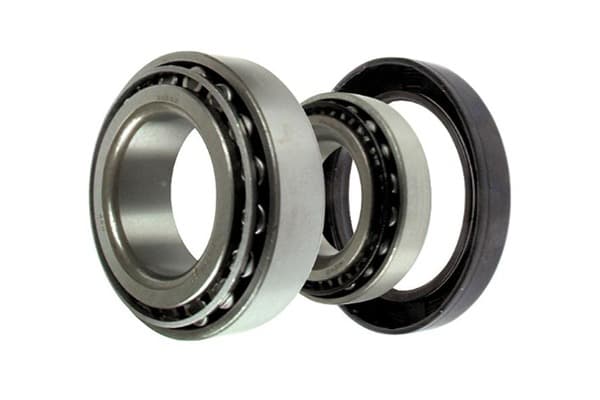
Before we can diagnose a bad wheel bearing, it's important to understand what these parts are and why they're so crucial for your vehicle. Simply put, wheel bearings are sets of small steel balls (ball bearings) or tapered rollers (tapered roller bearings) held together in a metal ring called a race. These small but mighty components are typically located inside the wheel hub, which is the mounting assembly for the wheel. The primary job of wheel bearings is to allow your wheels to spin with minimal friction. They bear the entire weight of your vehicle while it's in motion, which is an incredible amount of stress.
Every wheel has one set of wheel bearings (or a single cartridge assembly containing them). They are precision-engineered to handle both radial loads (the vehicle's weight) and axial loads (cornering forces). Without healthy wheel bearings, the connection between your spinning wheel and stationary axle would generate immense heat and friction, causing catastrophic failure in minutes. These components are designed for a long lifespan, often lasting over 100,000 miles, but they are still subject to immense wear and tear. Understanding their function is the first step in appreciating the warning signs when your wheel bearings start to fail.
The two most common types found in modern vehicles are sealed bearing assemblies and serviceable tapered roller bearings. Most modern cars use sealed hub assemblies, where the wheel bearings are a non-serviceable unit. Older vehicles or some heavy-duty trucks may use serviceable wheel bearings, which require periodic cleaning, inspection, and repacking with grease. Regardless of the type, their job remains the same: ensuring a smooth, low-friction rotation of the wheel.
What Are the First Signs and Symptoms of a Bad Wheel Bearing?
When wheel bearings start to go bad, your car will give you several warning signs. Being able to recognize these early signs and symptoms can save you from a much more expensive repair down the road. The most common and noticeable symptom, by far, is a new and unusual noise. However, there are other indicators you should be aware of.
Here are the key warning signs that you might have a bad wheel bearing:
- Audible Noises: This is the number one symptom. The noise can range from a low hum or growl to a high-pitched squeal or chirp. We will detail these sounds in the next section.
- Vibration: You might feel a subtle vibration through the steering wheel or the floor of the car. This vibration is caused by the increased friction and rough movement of the worn-out wheel bearings. It often gets worse as the vehicle accelerates.
- Steering Issues: The vehicle's steering may feel less responsive or loose. In some cases, the car might pull to one side. This happens because a bad wheel bearing allows for excessive play, or "wobble," in the wheel assembly.
- Uneven Tire Wear: While many things can cause uneven tire wear, a failing wheel bearing is a frequent culprit. The wobble from a bad bearing can cause tires to wear down unevenly and prematurely.
- ABS Warning Light: In many modern vehicles, the wheel speed sensor is integrated into the wheel hub assembly. A failing wheel bearing can damage this sensor or create enough wobble to cause an erratic signal, triggering the ABS warning light on your dashboard.
Recognizing these signs and symptoms early is critical. A bearing is bad when it no longer provides a smooth, tight connection for the wheel, and ignoring these warnings can lead to serious safety risks.
What Kind of Noise Does a Bad Wheel Bearing Make?
The most common question drivers ask is, "What does the noise sound like?" The specific noise you hear can help diagnose the issue and even help identify which of the wheel bearings is failing. A bad wheel bearing typically makes a rhythmic noise that changes with the vehicle's speed.
Here is a breakdown of the common growling noises associated with failing wheel bearings:
- Humming or Growling: This is the classic sound of a bad wheel bearing. It often starts as a faint hum and progressively gets louder, turning into a deep growl that sounds like a V8 engine or driving on a rumble strip. This humming noise will intensify as you increase speed. The growl comes from the metal-on-metal friction of the damaged ball bearings or rollers inside the race.
- Squealing or Chirping: A high-pitched squeal or chirp that is constant and speed-dependent can also indicate a bad wheel bearing. This noise is often a sign that the bearing's seal has failed, allowing dirt and moisture to contaminate the grease, or that the bearing is completely out of lubrication. The squeal is the sound of extreme friction.
- Clicking or Popping: This noise is more common when turning. If you hear a rhythmic clicking while cornering, it can point to a worn wheel bearing, although it can also be a sign of a failing CV joint. A mechanic can help differentiate between the two.
The key characteristic of a bad wheel bearing noise is that it's tied to wheel rotation. The noise will get faster as you speed up and slower as you slow down. It is one of the most reliable ways to know your wheel bearings are going bad.
How Can You Pinpoint Which Wheel Bearing is Bad While Driving?
So, your car is making a growl or hum, and you suspect it's one of the wheel bearings. But which one? You can often pinpoint the faulty bearing with a simple driving test. Wheel bearings are under a heavier load when you turn. This change in load can make the noise louder or quieter, helping you identify which side of the vehicle has the bad wheel bearing.
Follow these steps on a safe, empty road or parking lot:
- Get your vehicle up to a speed where the noise is clearly audible, typically around 30-40 mph.
- Gently and safely swerve the vehicle to the left. This action shifts the vehicle's weight and puts more load on the wheel bearings on the right side. If the noise gets louder, the problem is likely one of the wheel bearings on the right (passenger) side.
- Now, gently swerve to the right. This puts more load on the left-side wheel bearings. If the noise intensifies, the faulty bearing is likely on the left (driver's) side.
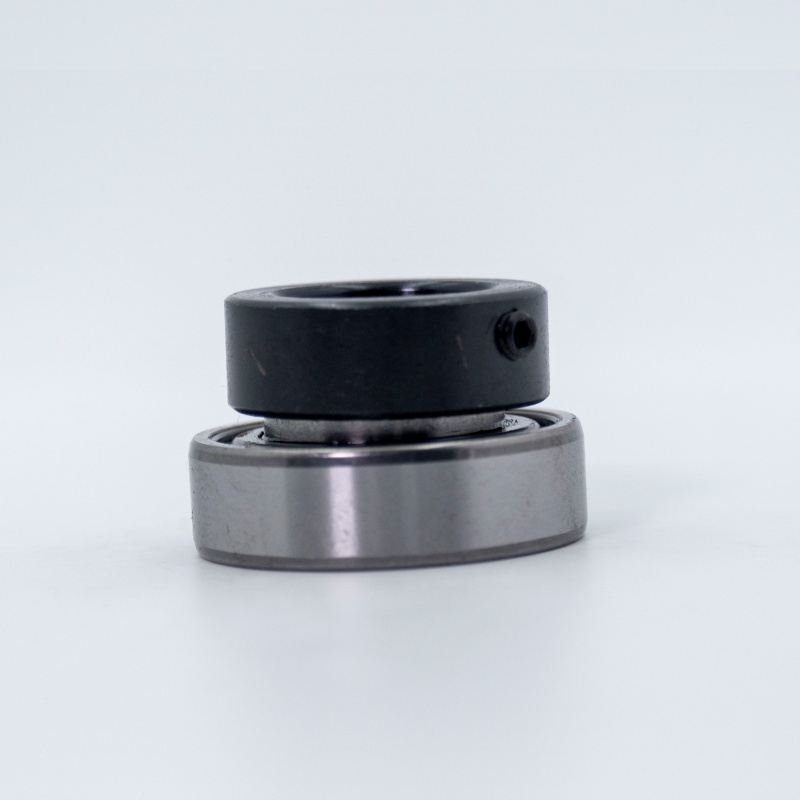
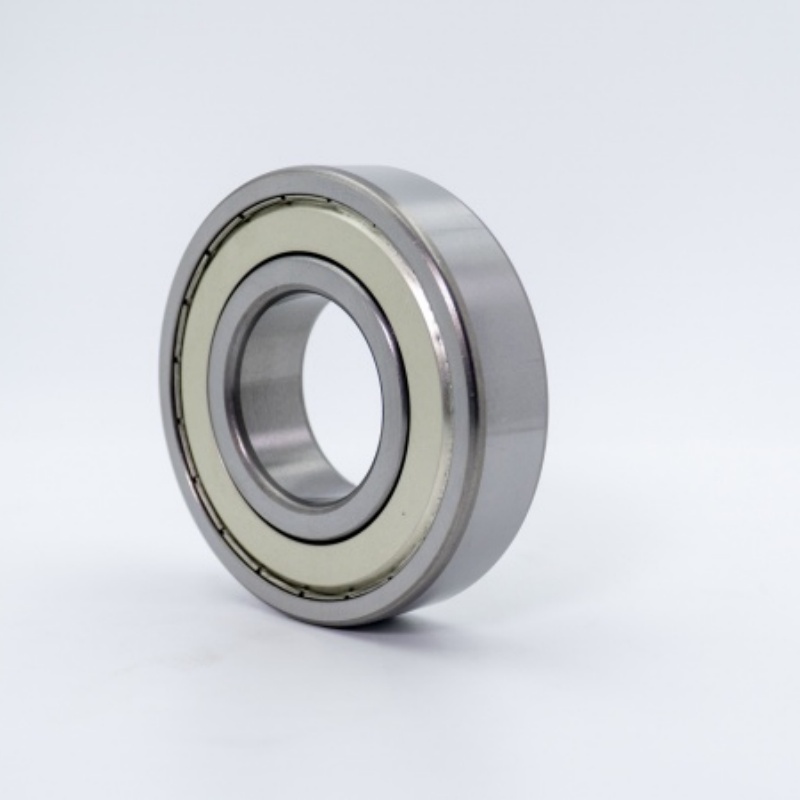
If the noise does not change significantly while turning, the faulty component might be a rear wheel bearing. Rear wheel bearings carry a more consistent load during turns, so the noise they produce is often less affected by steering. This test is a great way to start your diagnosis, but a physical inspection is always needed for a definitive answer. Many modern cars use durable deep groove ball bearings in their wheel assemblies, designed to handle these loads.
What Are the Main Causes of Premature Wheel Bearing Failure?
While wheel bearings are designed to last for several thousand miles, certain conditions can cause them to go bad prematurely. Understanding the causes of bearing failure can help you protect your investment and ensure your vehicle's safety.
Here are the most common culprits behind a bad wheel bearing:
- Impact Damage: Hitting a large pothole, curb, or being in a minor accident can cause immediate damage to the wheel bearings. The sharp impact can dent the race (the path the balls roll on) or crack a part of the bearing, leading to rapid failure.
- Contamination: The wheel bearings are protected by seals to keep grease in and keep water, dirt, and road salt out. If these seals are damaged, contaminants can get inside and destroy the smooth surfaces, causing friction and noise.
- Improper Installation: Wheel bearing replacement is a precision job. Using the wrong tools (like a hammer) or failing to apply the correct torque setting on the axle nut can damage the new wheel bearings during installation, leading to a very short lifespan. This is why professional installation is highly recommended.
- Poor Quality Components: Not all wheel bearings are created equal. Low-cost, inferior quality wheel bearings often use subpar materials and have looser manufacturing tolerances. These are far more likely to fail prematurely compared to high-quality OEM or reputable aftermarket parts. At VPK, we specialize in manufacturing robust tapered roller bearings that are engineered for durability.
How Do You Physically Check to Identify a Bad Wheel Bearing?
If your driving test suggests you might have a bad wheel bearing, the next step is a physical check. This is the most definitive way to diagnose the problem. For this test, you will need to safely lift the vehicle with a jack and support it with jack stands. Never work under a vehicle supported only by a jack.
Once the suspect wheel is off the ground, perform these two checks:
- The Wiggle Test: Grab the tire at the 12 o'clock and 6 o'clock positions. Try to shake the wheel back and forth. Then, grab it at the 9 o'clock and 3 o'clock positions and do the same. There should be almost no play or "wiggle." If you feel movement or hear a clunking noise, it's a strong sign that the wheel bearing is bad. This movement indicates excessive clearance inside the hub assembly.
- The Spin Test: With the wheel still in the air, place your hand on the front suspension spring or strut. Use your other hand to spin the wheel as fast as you can. If the wheel bearing is bad, you will feel a rough vibration through the suspension component. You will also likely hear the grinding or growl noise coming directly from the wheel hub. A good bearing will spin smoothly and silently.
If the wheel passes the wiggle test but fails the spin test, you have likely caught the bearing issue early. If it fails the wiggle test, the bad wheel bearing is severely worn, and the vehicle should not be driven until it's repaired. This test is a reliable way to identify a bad wheel bearing.
Is It Safe to Drive with Worn-Out Wheel Bearings?
The simple answer is no. Driving on a bad wheel bearing is dangerous. While the initial symptoms might just be an annoying noise, the problem will only get worse. As the wheel bearings continue to degrade, the friction will increase exponentially.
This leads to several serious risks:
- Wheel Separation: In a worst-case scenario, a completely failed wheel bearing can cause the wheel hub to break, leading to the wheel detaching from the vehicle while you are driving. This is a catastrophic failure that can cause a total loss of control.
- Loss of Steering Control: The excessive play from a bad bearing makes the vehicle's steering unpredictable and less responsive, especially during emergency maneuvers.
- Brake Issues: The wobble from a worn wheel bearing can cause the brake rotor to knock back the brake caliper pistons. This can lead to a soft brake pedal and significantly increased stopping distances.
- Further Damage: A failing wheel bearing can cause damage to other expensive parts, including the spindle, hub, axle shaft, and even the suspension. What starts as a relatively inexpensive repair can quickly become a multi-thousand-dollar problem if ignored.
If you suspect you have a bad wheel bearing, you should have it inspected and repaired by a professional automotive technician as soon as possible. The initial wheel bearing replacement cost is far less than the cost of an accident or extensive component damage.
What Does a Wheel Bearing Replacement Involve?
Wheel bearing replacement can range from moderately difficult to complex, depending on your vehicle's make and model. For most modern cars with sealed hub assemblies, the entire hub assembly is replaced as a single unit. For vehicles with press-in wheel bearings, the process is more involved.
Here's a general overview of the process:
- The wheel and brake caliper and rotor are removed.
- The axle nut is removed, which often requires a special high-torque tool.
- The old hub assembly is unbolted and removed from the steering knuckle or spindle. For press-in wheel bearings, a hydraulic press is needed to push the old bearing out and the new one in.
- The new wheel bearing or hub assembly is installed.
- Everything is reassembled, and the axle nut is tightened to a specific torque specification. This final torque setting is critical for the new bearing's longevity.
Replacement costs can vary widely based on the vehicle and labor rates, but you can typically expect to pay between $300 and $800 per wheel. While it might seem expensive, it's a critical safety repair. Using a quality part, like a VPK cylindrical roller bearing for a heavy-duty application, ensures the repair lasts.
Why Does the Quality of Your Replacement Wheel Bearings Matter So Much?
When it comes time for replacing the bearings, you'll be faced with a choice between different brands at different price points. As a manufacturer, I can't stress this enough: this is not a part where you want to cut corners. The quality of your replacement wheel bearings directly impacts your safety and how soon you'll be doing the job again.
A high-quality wheel bearing from a reputable manufacturer like VPK Bearing features:
- Superior Steel: Made from clean, high-alloy steel for maximum strength and resistance to fatigue.
- Precision Engineering: Manufactured to tight tolerances to ensure a perfect fit and minimal friction. This reduces vibration and extends the life of the bearing.
- High-Temperature Grease: Packed with premium grease that won't break down under the high heat generated by the brakes and road friction.
- Durable Seals: Multi-lip seals that provide superior protection against water and contaminants, preventing the main causes of premature failure.
Choosing a quality part of the bearing assembly ensures a longer service life, safer operation, and ultimately, a lower long-term cost of ownership. It’s the smart choice for any vehicle owner who values reliability.
The Dangers of Ignoring a Wheel Bearing Making Noise
That growl or hum is more than just an annoying noise; it's a direct warning from your vehicle that a critical component is failing. Ignoring a bad wheel bearing is a gamble with potentially devastating consequences. The noise indicates that the internal components of the wheel bearing are grinding against each other, creating intense heat and friction. This process will not fix itself; it will only accelerate.
As the bearing continues to degrade, the wheel can begin to wobble uncontrollably, severely compromising your ability to steer and control the vehicle, especially at high speeds on the freeway. The worst-case scenario—the wheel detaching from the axle—can be fatal. Furthermore, the heat generated by a failing bearing can damage the wheel hub, spindle, and even your brakes. A timely wheel bearing replacement prevents these dangers and ensures you and your passengers are safe on the road. Don't let a simple noise turn into a catastrophic failure. Listen to what your car is telling you.
Post time: Sep-29-2025