

As a professional in the bearing manufacturing industry, I, Herbert, have spent over a decade at VPK Bearing overseeing the production of high-precision components that keep the world's machinery moving. While our primary focus is on industrial applications, the fundamental principles of bearing performance and failure are universal. One of the most common and relatable examples is the humble wheel bearing. Understanding the symptoms of a bad wheel bearing is not just crucial for your daily commute; it’s a masterclass in why component quality and timely maintenance are paramount. This guide will walk you through everything you need to know about the signs of a bad wheel bearing, helping you diagnose problems early and ensure your vehicle remains safe and reliable on the road.
What Are Wheel Bearings and Why Are They So Important?
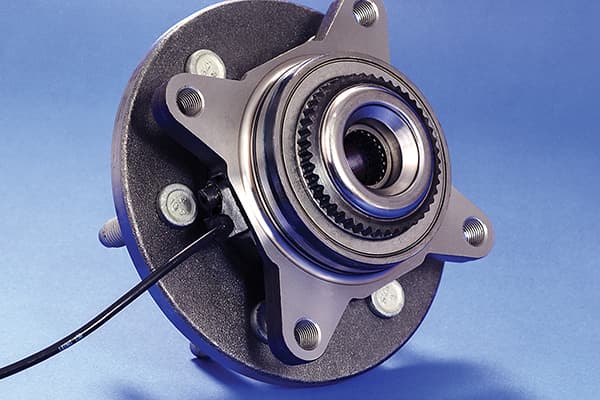
At its simplest, a wheel bearing is a set of steel balls or roller bearings held together by a metal ring called a race. Your vehicle has four of them, one for each wheel. These small but mighty components are typically located inside the wheel hub, which is the part that connects your wheel and tire to the axle. The primary job of wheel bearings is to allow your wheel to spin with as little friction as possible. Think about it: the entire weight of your vehicle rests on these components, and they must endure incredible forces while rotating thousands of times per minute.
Each wheel has one of these crucial assemblies. The typical wheel bearing is a precision-engineered marvel. Inside its housing, a set of steel balls or tapered rollers ride on a smooth inner and outer race. This design allows the wheel to rotate freely on the axle spindle while supporting the vehicle's weight. Without wheel bearings, the metal-on-metal friction between the wheel hub and the axle would be so immense that the wheel would lock up, generating catastrophic heat and causing immediate failure. They are absolutely essential for your car to move.
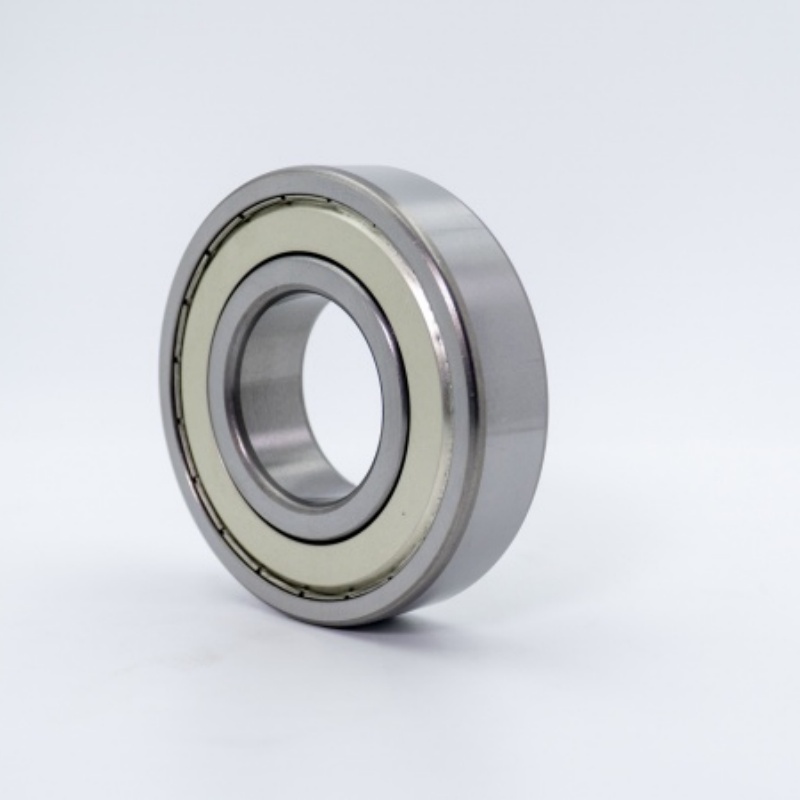
From our perspective as a manufacturer, the engineering behind wheel bearings is fascinating. Many modern vehicles use sealed hub assemblies, where the wheel bearings are integrated into a single, non-serviceable unit. This design protects the bearing from road grime and moisture, extending its lifespan. Whether it's a simple deep groove ball bearing, like the 6200 ZZ model we produce for electric motors, or a more complex tapered design, the goal is the same: provide smooth, reliable rotation under immense load.
What are the Most Common Signs and Symptoms of a Bad Wheel Bearing?
When a wheel bearing starts to fail, it rarely does so silently. It will provide a series of warning signs, and recognizing these early signs and symptoms is key to preventing a more serious problem. A bad wheel bearing compromises your vehicle's safety and handling. Ignoring the warning signs is a risk you shouldn't take.
The most common symptoms of a bad wheel bearing include:
- Audible Noises: This is the number one indicator. A humming, growling, or grinding noise that changes with vehicle speed is a classic sign.
- Steering Wheel Vibration: You may feel a slight vibration or wobble in the steering wheel, which can intensify as the vehicle accelerates or turns.
- Vehicle Pulling to One Side: A failing wheel bearing can cause drag on the affected wheel, making the vehicle pull to the left or right.
- Uneven Tire Wear: This is a more subtle sign. The excess play from a worn-out bearing can disrupt the wheel alignment and cause the inside or outside edge of a tire to wear down faster than the rest.
- ABS Light Activation: In many modern vehicles, the wheel speed sensor is integrated into the wheel hub assembly. A failing bearing can damage this sensor or create enough wobble to trigger an ABS warning light on your dashboard.
Paying attention to how your vehicle feels and sounds is the most effective way to catch a bad wheel bearing early. If you notice any of these signs, it's time to investigate further. A problem with your wheel bearings will only get worse over time.
What Does a Bad Wheel Bearing Noise Sound Like?
The most telling sign of a bad wheel bearing is the noise it makes. But what exactly does a bad wheel bearing sound like? The sounds can vary depending on the severity of the damage, but they almost always follow a specific pattern: the noise gets louder as your vehicle speed increases.
Initially, you might hear a faint humming noise, similar to road noise on a coarse pavement. This hum is often most noticeable at a specific speed, perhaps between 40-60 mph. As the wear and tear on the wheel bearing progresses, the sound will evolve into a more distinct growl or grinding noise. This is the sound of the metal rollers or balls moving against a damaged race inside the wheel bearing. The lack of smooth surfaces causes this growling noise.
In severe cases, you might hear squealing, a chirp, or even a clicking sound, especially when turning the wheel. This could indicate that the bearing is bad and has developed significant play or looseness. It's important to distinguish this noise from other potential issues. For instance, a rhythmic clicking during turns often points to a bad CV joint, while a high-pitched squeal during braking is usually related to your brake pads. However, a constant growl that rises and falls with the rotation of the wheel is the unmistakable signature of failing wheel bearings.
How Can You Identify Which Wheel Bearing is Bad on Your Vehicle?
So, you're hearing the dreaded growling noises and suspect you have a bad wheel bearing. The next logical step is to diagnose which wheel is the culprit. This is crucial information, as you only need to replace the specific wheel bearing that has gone bad. There are a couple of simple tests you can perform to help identify the source of the problem.
The "Swerve Test" is the most effective way to pinpoint the faulty bearing. While driving safely on an open road (like a quiet parking lot or an empty stretch of highway), gently steer the vehicle from left to right, as if you were navigating a wide slalom. Listen carefully to the noise.
- If the noise gets louder when you steer to the left, the problem is likely on the right side of the vehicle. This is because turning left shifts the vehicle's weight onto the right wheel bearings, increasing the load and making the noise louder.
- Conversely, if the noise gets louder when you steer to the right, the bad wheel bearing is probably on the left side.
Another method is the "Jack Test." Safely lift the corner of the vehicle with the suspect wheel off the ground. Place your hands on the tire at the 12 and 6 o'clock positions and try to wiggle the wheel. Then, do the same at the 9 and 3 o'clock positions. If you feel any significant play, looseness, or wobble in the wheel, you likely have a bad wheel bearing. You can also spin the wheel by hand and listen for a grinding noise or feel for roughness. This can help identify a bad wheel bearing without ambiguity.
What Causes Wheel Bearings to Go Bad in the First Place?
Wheel bearings are designed to last a long time, often over 100,000 miles. However, several factors can cause them to go bad prematurely. Understanding these causes can help you take preventative measures and extend the lifespan of these critical components. As a manufacturer, we see a wide range of failure modes, most of which are preventable.
The most common causes for wheel bearings to fail include:
- Impact Damage: Hitting a large pothole, curb, or being involved in a minor accident can cause immediate damage to the inner race or outer race of a wheel bearing. The sharp impact can create a small dent, which will quickly deteriorate and cause the bearing to fail. A single severe pothole can be enough.
- Contamination: Modern wheel bearings are sealed to keep lubricating grease in and contaminants like water, dirt, and road salt out. If this seal is broken, these abrasive materials can get inside and destroy the bearing from within.
- Improper Installation: Installing wheel bearings requires specialized tools and precise techniques. Using a hammer to press in a bearing or applying an incorrect torque setting (known as preload) can cause unseen damage that leads to premature failure. This is a job best left to a qualified mechanic.
- Out-of-Balance Tires: A tire that is not properly balanced creates a constant vibration that puts excessive stress on the wheel bearing and other suspension components, causing them to wear out faster. Regular tire balancing and wheel alignment are essential parts of your maintenance schedule.
Ultimately, all wheel bearings will eventually succumb to metal fatigue from normal wear and tear. However, avoiding impacts and ensuring proper installation are the best ways to get the maximum service life from your wheel.
Is it Dangerous to Drive with Bad Wheel Bearings?
This is a question we hear often, and the answer is an unequivocal yes. Driving with bad wheel bearings is extremely dangerous and should be avoided. While a bearing in the early stages of failure might only be an annoyance, a completely failed bearing can have catastrophic consequences for the vehicle and its occupants.
The primary danger is that a severely worn wheel bearing can seize up completely. This would cause the wheel to lock up while you are driving, leading to an immediate loss of control of the vehicle. The wheel could stop rotating, causing the tire to skid violently. At highway speeds, this scenario would almost certainly result in a serious accident. This is the worst-case scenario that proper maintenance aims to prevent.
Even before a complete seizure, the excessive play from a bad wheel bearing poses significant risks. It makes the vehicle's handling unpredictable and the steering less responsive. This looseness can also cause the brake rotor to wobble, leading to brake issues like a pulsating pedal and reduced stopping power. Furthermore, a failing wheel bearing could damage other critical and expensive parts of your vehicle, including the hub, CV joint, and even the axle shaft. The potential for the wheel to detach from the vehicle, while rare, is a real possibility with a completely disintegrated bearing. The risk simply isn't worth it.
How Does Uneven Tire Wear Point to a Bad Wheel Bearing?
While a noisy wheel is the most obvious sign, uneven tire wear is a more subtle but equally important indicator that you might have a bad wheel bearing. The health of your wheel bearings, tires, and suspension system are all interconnected. A problem in one area will inevitably affect the others.
Here's how it works: A healthy wheel bearing holds the wheel and tire assembly perfectly straight and true, with no wobble or play. When the bearing starts to wear out, it allows for a small amount of movement or "slop." This means the wheel is no longer held in its correct alignment. As the tire rotates, this wobble causes it to scrub against the road surface unevenly.
This typically results in "cupping" or "scalloping" on the tire, where patches of the tread wear down faster than the surrounding areas. More commonly, it can cause excessive wear on the inner or outer shoulder of the tire. You might mistake this for a simple wheel alignment issue, but if the problem persists after an alignment, the root cause is very likely a bad wheel bearing. If you see unusual wear patterns on a tire, it's wise to have the corresponding wheel bearing inspected immediately. Catching it early can save you the cost of a new tire on top of the wheel bearing replacement. The integrity of the entire wheel assembly depends on this single component.
What is Involved in a Wheel Bearing Replacement?
A wheel bearing replacement can range from a moderately simple job to a complex one, largely depending on the make and model of your vehicle. The process differs between press-in bearings and complete wheel hub assemblies.
For older vehicles with press-in wheel bearings, the process involves:
- Removing the wheel, brake caliper, and rotor.
- Disconnecting the axle from the steering knuckle or hub.
- Removing the entire knuckle/hub assembly from the vehicle.
- Using a hydraulic press to push the old bearing out of the hub.
- Pressing the new wheel bearing into the hub.
- Reassembling everything in the reverse order.
For most modern vehicles, the job is simpler as they use bolt-on wheel hub assemblies. The wheel bearings are sealed inside the hub, and the entire unit is replaced. This process avoids the need for a press but the part itself is more expensive. The cost of replacing wheel bearings can vary widely. A rough estimate for replacement costs would be between $250 and $700 per wheel, including parts and labor. The estimate depends heavily on your automotive shop's labor rates and the cost of the parts for your specific vehicle.
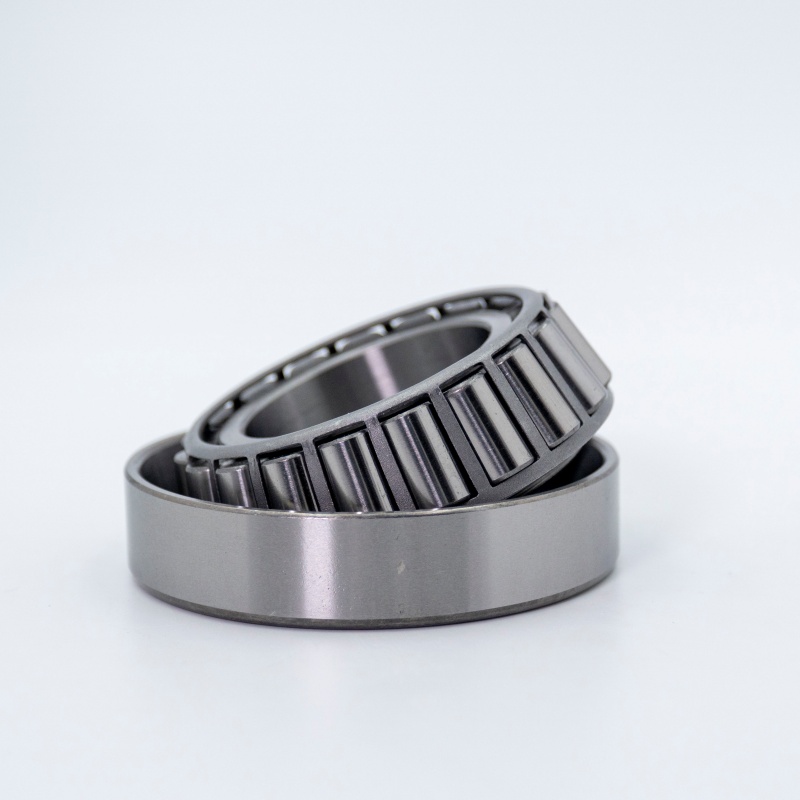
Given the precision and specialized tools required, this is one repair where professional installation is highly recommended to ensure the safety and longevity of the new wheel bearing. At VPK Bearing, we know that the performance of even the best bearing, such as our rugged tapered roller bearings, depends entirely on correct installation.
How Can You Maximize the Lifespan of Your Vehicle's Wheel Bearings?
While all wheel bearings will eventually wear out, you can take several proactive steps to ensure they last as long as possible. Good driving habits and a consistent maintenance routine are the best ways to protect these vital components and avoid the hassle and expense of a premature failure. Think of it as preventative care for your vehicle's wheel assemblies.
First, drive smart. Avoid hitting curbs and try to navigate around potholes whenever it's safe to do so. These sharp impacts are a primary cause of bearing damage. Second, maintain your tires. Keep them properly inflated and ensure they are balanced and rotated according to your vehicle's recommended schedule. A balanced tire spins smoothly and puts minimal stress on the wheel bearing. Regular wheel alignments are also crucial, as they ensure the wheel is running straight and not putting any unusual side loads on the bearing.
Finally, listen to your vehicle. At the first sign of a hum, growl, or change in steering feel, get it checked out. Addressing a bad wheel bearing in its early stages is far safer and can prevent collateral damage to other parts like the tire, hub, or brake system. A little attention to how your wheel feels and sounds goes a long way.
Why Quality is Critical When Choosing Replacement Wheel Bearings
When it comes time for a wheel bearing replacement, the temptation to opt for the cheapest part can be strong. However, as a bearing manufacturer, I can tell you with certainty that this is a place where quality matters immensely. The difference between a premium wheel bearing and a low-quality one is not just in price, but in the materials, precision, and testing that go into its creation. A substandard bearing could damage your vehicle and compromise your safety.
High-quality wheel bearings, like the industrial bearings we manufacture, use superior-grade steel that has been heat-treated for maximum strength and durability. The races are ground to incredibly tight tolerances to ensure smooth operation, and they are packed with high-temperature, long-life grease. A premium bearing, like our highly reliable cylindrical roller bearings, is built to withstand the immense forces and harsh conditions your wheel endures every day.
Choosing a reputable brand for your replacement wheel bearings means you are investing in reliability and peace of mind. A cheap bearing is more likely to fail prematurely, forcing you to pay for the same repair all over again. In the world of mechanical components, whether for a massive earth-mover or your family car, you truly get what you pay for. A quality wheel bearing is a critical investment in the safety and longevity of your vehicle.
Key Things to Remember
- Listen for Noises: A humming, growling, or grinding noise that increases with wheel speed is the most common sign of a bad wheel bearing.
- Feel for Vibrations: A wobbly or vibrating steering wheel, especially while turning or at highway speeds, can indicate a bad front wheel bearing.
- Check for Looseness: If you can safely jack up the wheel, any noticeable play or wobble when you push and pull on the tire points to a bad wheel bearing.
- Watch Your Tires: Uneven tire wear can be a subtle but clear symptom that a wheel bearing is failing and affecting your vehicle's alignment.
- Don't Delay Repairs: Driving with bad wheel bearings is dangerous. A complete failure can cause you to lose control of your vehicle or even have a wheel detach. Prioritize this repair for your safety.
Post time: Oct-09-2025