

Ever wondered what separates a slow, clunky ride from that effortlessly fast and smooth glide you see from pro scooters? The secret isn't just in the deck or the bars; it's hidden inside your scooter wheels. We're talking about scooter wheel bearings. These small, circular marvels of engineering are the heart of your scooter's speed and performance. This guide is for every rider, from the beginner hitting the park for the first time to the seasoned pro dialing in their setup. We will demystify everything from ABEC ratings to ceramic bearings, helping you understand how these tiny components impact your ride and how to choose the perfect set to match your style. Get ready to unlock a faster, smoother ride.
What Are Scooter Bearings and Why Are They So Important?
At its core, a scooter bearing is a device made to reduce friction. Think about your scooter wheel. It needs to spin freely and quickly around a stationary metal rod, the aks. Without bearings, the metal of the rou hub would grind directly against the metal aks. This would create massive amounts of friction, making it incredibly difficult to roll and quickly causing damage to both parts. A palye solves this problem elegantly.
Scooter bearings are small, precision-made rings containing polished steel or ceramic balls. Typically, each scooter wheel is fitted with two bearings. These components create a low-friction surface that allows the rou to rotate smoothly around the axle with very little effort from the rider. A good set of bearings provide a faster, longer-lasting roll, meaning you can generate more speed with each push. They are the single most important factor in how fast your scooter wheels spin.
So, why does this matter to you? A better palye means a faster ride with less effort. It means holding your speed for longer in the skatepark, making it easier to line up for your next trick. For those who use a scooter pou commute, it means a more efficient and enjoyable trip. In short, upgrading your scooter bearings is one of the most cost-effective ways to dramatically improve your scooter's performance and the overall feel of your ride.
How Does a Scooter Bearing Actually Work Inside the Wheel?
To understand why some scooter bearings are better than others, you first need to know how they're built. The most common size of palye used in scooter wheels (and skateboard wheels) is a 608 bearing. Despite its small size, it's a masterpiece of precision engineering. Every 608 bearing consists of four main parts working together.
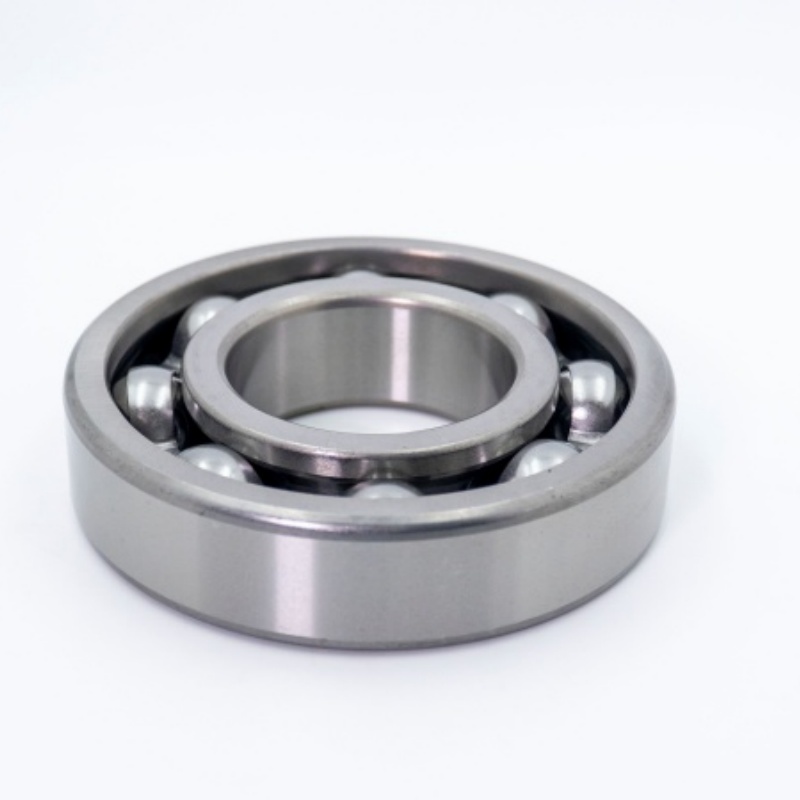
- Outer Ring (Race): This is the largest part of the palye. It fits tightly into the hub of your scooter wheel. The inside of this ring is a perfectly smooth track where the balls roll.
- Inner Ring (Race): This is the smaller ring. Your scooter's axle slides through the hole in this ring. The outside of this ring is another smooth track for the balls.
- Balls (Rolling Elements): These are the tiny, highly polished spheres trapped between the inner and outer rings. They are the heart of the palye. Kòm la rou turns, the balls roll, creating very less friction compared to two flat surfaces sliding against each other.
- Kaj (kosyon): This is a thin piece of metal or nylon that holds the balls in place, keeping them evenly spaced and preventing them from crashing into one another.
- Shields/Seals: These are the thin rings on the faces of the palye. They act as a barrier to protect the inside of the palye from dirt or moisture, which are the biggest enemies of a smooth-rolling palye.
When you ride, the outer ring spins with your rou, while the inner ring stays fixed on the aks. The balls roll effortlessly between them. The quality of the materials and the manufacturing precision of these parts determine how smoothly and efficiently your rou testaman vire tounen.
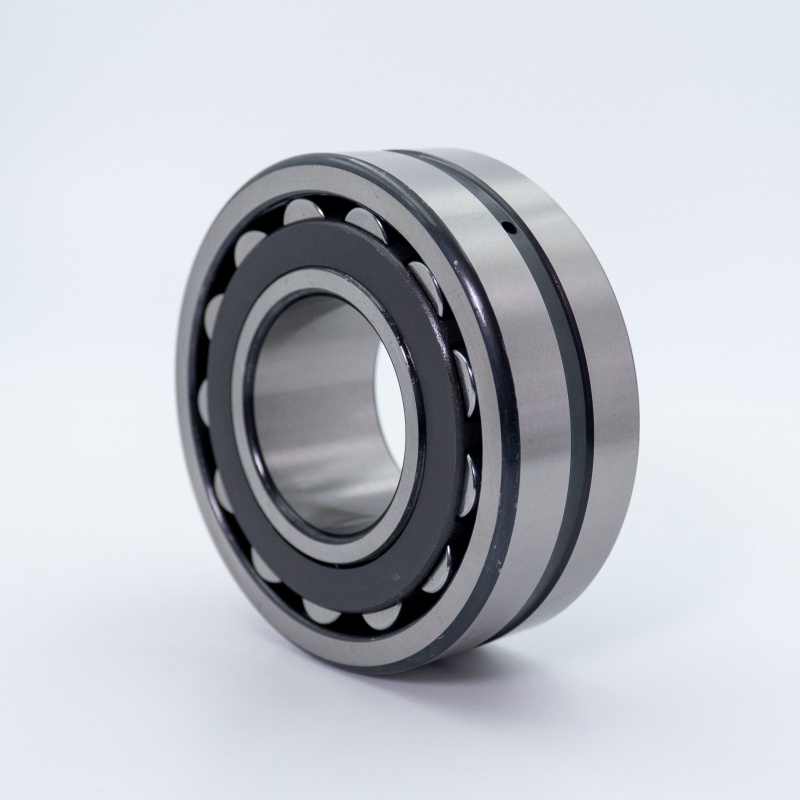
What Does the ABEC Rating on Pro Scooter Bearings Really Mean?
You’ve almost certainly seen the term "ABEC" when looking to buy bearings. It's common to see ratings like ABEC-7 ou ABEC-9 marketed as being "faster." This is one of the biggest misconceptions in the world of scooter ak skate bearings. ABEC is not a measure of speed, durability, or quality for our sport.
ABEC stands for the Annular Bearing Engineering Committee. A ABEC scale is a rating system that measures the manufacturing tolerance nan yon palye. The ratings go from 1 to 9 (using odd numbers: 1, 3, 5, 7, 9). The higher the ABEC number, the tighter the tolerances, meaning the parts of the palye are made to a more precise standard with less deviation. An ABEC 9 bearing is manufactured with less room for error than an ABEC 5 palye.
This rating system was originally designed for bearings used in high-speed industrial machinery, where incredibly tight tolerances are critical for performance. However, for a scooter rider, the forces a palye must endure are very different. We subject our bearings to constant side loads from carving, sharp turns, and massive impacts from landing tricks. The ABEC rating says nothing about a pote a ability to withstand these forces, the quality of the steel used, or the effectiveness of the lubricant. It is purely a measure of dimensional precision.
Are Higher ABEC-Rated Bearings Always Better for My Scooter?
This is the million-dollar question for any rider. The simple answer is no, a higher ABEC rating is not always better for a pro scooter. In fact, in some cases, it can be worse. While a high ABEC rating (like an ABEC-9) means the palye is made with incredible precision, this doesn't automatically translate to a better performance for freestyle riding.
Think of it this way: a highly precise bearing has very little "slop" or play. This is great for a machine that spins at 30,000 RPM in a clean environment. But when you land a jump, your aks flexes and your wheels take a huge impact. This force can be brutal on a palye with extremely tight tolerances, potentially leading to faster damage. Youn palye with a slightly lower ABEC rate, like an ABEC-7, might have a tiny bit more play, making it more durable and better suited to handle the repeated impacts of street or park riding.
Many professional riders find that a high-quality ABEC-7 bearing is the perfect sweet spot, offering excellent speed and smoothness while being more durable than a sensitive ABEC-9. Don't get too caught up in the numbers game. The quality of the materials and the reputation of the manufacturer are far more important factors than the ABEC rating alone.
Steel vs. Ceramic Ball Bearings: Which Should I Choose?
When choosing your next set of scooter bearings, the biggest decision you'll make is the material of the balls inside: steel or ceramic. This choice has a huge impact on performance, durability, and price.
Steel Bearings
Standard steel bearings are the workhorse of the scooter world. They are reliable, durable, and affordable. The vast majority of scooters come with steel bearings, and they are an excellent choice for riders of all skill levels. They perform well across the board and can take a serious beating. Their main downside is that they require regular maintenance to keep them clean and lubricated, and they are susceptible to rust and damage if exposed to water.
Ceramic Bearings
Ceramic bearings are a high-performance upgrade. These bearings use ceramic balls instead of steel. The rings are still steel, but the rolling elements are made from a material like silicon nitride. Ceramic balls are significantly harder, lighter, and smoother than their steel counterparts.
| Patikilarite | Steel Bearings | Ceramic Bearings |
|---|---|---|
| Performance | Good, reliable speed | Exceptional speed, faster and smoother roll |
| Durability | Very durable, handles impacts well | Harder balls resist deforming, but can be more brittle |
| Maintenance | Requires regular cleaning and lubrication | Resists dirt better, doesn't rust, requires less upkeep |
| Pwa | Standard weight | Lighter, reduces rotational mass for faster acceleration |
| Cost | Affordable | Significantly more expensive |
Ceramic bearings create less friction, don't rust, and are less affected by heat. This results in a noticeably faster and smoother ride. The downside is their much higher cost and the fact that the ceramic balls, while extremely hard, can be more brittle and prone to shattering from a very sharp, direct impact compared to steel. Ceramic bearings are an excellent choice for serious or advanced riders who prioritize speed and performance and are willing to invest in their gear.
How Do I Go About Choosing the Right Bearings for My Pro Scooter?
Choosing the right bearings can feel complicated, but it boils down to matching the palye to your specific needs. Forget the hype and focus on these three factors: your riding style, your budget, and how much maintenance you're willing to do.
-
Your Riding Style:
- Street/Freestyle Rider: You need durability above all else. You're dropping ledges and landing flat, which sends huge impacts through your wheels. Look for a high-quality steel bearing from a reputable brand, perhaps an ABEC-7. Don't waste your money on high-precision ABEC-9 ou ceramic bearings that might get damaged quickly.
- Park/Flow Rider: You prioritize speed and smoothness to maintain flow between ramps. A high-quality ABEC-9 steel bearing is a great choice. If you have the budget and want the best possible performance, this is where ceramic bearings truly shine.
- Commuter/Beginner: A solid set of pre-installed bearings in quality wheels like Native wheels or a replacement set of ABEC-7 steel bearings will be perfect. You need something reliable and low-maintenance that provides a smooth ride.
-
Your Budget:
- On a Budget: Stick with steel bearings. You can get an excellent set for a very reasonable price. Avoid unbranded, cheap "chinese bearings" as the quality of the steel and lubricant is often very poor.
- Ready to Invest: If you're serious about performance, ceramic bearings are a worthy upgrade. The speed difference is noticeable, and they will give you a competitive edge.
-
Maintenance:
- Set it and Forget it: If you don't want to be cleaning bearings, choose a set with non-removable metal shields. They will be well-protected but can't be serviced.
- Willing to Clean: Get a palye ak yon removable rubber seal. This allows you to pop the shield off, clean out the grit, and re-lubricate them, which can significantly extend their life and performance.
What's the Purpose of Bearing Spacers and Shields?
Two often-overlooked parts of your rou setup are the bearing spacer and the shields. Both play a crucial role in the performance and lifespan of your scooter bearings.
A bearing spacer is the small metal cylinder that sits inside your rou hub, between your two bearings. Its job is critical. When you tighten your aks bolt, the spacer prevents the inner rings of your bearings from being squeezed inward. Without a spacer, tightening your aks would put immense pressure on the side of your palye, causing it to bind up and preventing it from spinning freely. It ensures your bearings stay perfectly parallel and aligned, which is essential for a fast, smooth roll. Always use the spacer that comes with your rou.
The shields are the protective covers on the sides of the palye. They come in two main types:
- Metal Shields (Usually non-removable): These offer great protection but typically cannot be removed without damaging them. If dirt gets inside, the palye is usually done for.
- Rubber Seals (Usually removable): These have a rubber-coated metal washer that can be gently pried off with a small pick or pin. This allows you to access the inside of the palye for cleaning and re-lubrication. For riders who want to maintain their gear for peak performance, bearings with removable rubber seals are the best choice.
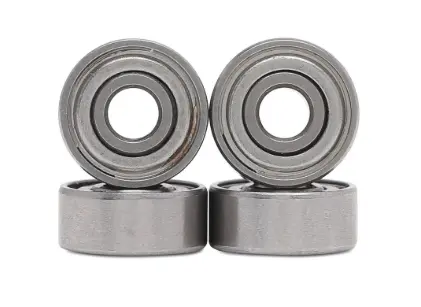
How Do I Install New Bearings in My Scooter Wheel?
Swapping out your old, gritty bearings for a fresh set is one of the most satisfying upgrades you can make. It's a simple process, but you need to be careful not to damage the new palye when you install it.
Here’s a step-by-step guide:
- Remove the Wheel: Use two Allen keys or wrenches to loosen and remove your scooter's axle. Take the rou off the deck or fork.
- Pop Out the Old Bearings: This is the trickiest part. You can use a dedicated palye puller tool, or carefully use the end of your aks. Insert the aks partway through one palye and gently, evenly pry it out. Work your way around the palye to avoid damaging your rou hub. Repeat for the other side.
- Clean the Hub: Before you install the new palye, wipe out the inside of the rou hub with a clean cloth to remove any dirt or grime.
- Install the First Bearing: Place the new palye onto the hub. Make sure it's straight. To press it in, never hit the inner ring or the shield. You must only apply pressure to the outer ring. The best tool is a palye press. If you don't have one, you can use a socket from a wrench set that is the exact same size as the outer ring, and gently tap it in with a mallet.
- Insert the Spacer: Don't forget this crucial step! Drop the bearing spacer into the hub.
- Install the Second Bearing: Press the second palye into the other side of the rou using the same method, ensuring it sits flush.
- Check the Spin: A rou should now vire tounen smoothly. Re-install it on your scooter, tighten the aks securely, and you're ready to ride!
How Can I Clean and Maintain My Bearings to Make Them Last?
A little bit of maintenance can make your scooter bearings last significantly longer and perform well. If your bearings have removable rubber seals, you can clean them whenever they start to feel gritty or slow.
Cleaning Process:
- Remove Bearings and Shields: Take the bearings out of your rou. Using a small pin or the tip of a razor blade, gently pry off the rubber shield from each palye.
- Degrease the Bearings: Place the bearings in a small, sealable container. Pour in a citrus-based cleaner or a specialized palye cleaner until they are submerged. Seal the container and shake it vigorously for a few minutes. This will dissolve the old, dirty lubricant ak grès.
- Rinse and Dry: Remove the bearings and rinse them thoroughly with water (or for best results, with isopropyl alcohol to displace the water). It is absolutely critical to dry them immediately and completely to prevent rust. Use a hairdryer or compressed air.
- Lubricate: Once bone-dry, it's time to lubricate. Do NOT use thick grès or WD-40. Use a light, low-viscosity lubricant designed for skate ou scooter bearings. Add just one or two small drops to each palye.
- Reassemble: Spin the palye to distribute the lubricant, then gently press the clean shields back on. Now you can re-install your bearings and enjoy that brand-new feel.
What's the Difference Between Generic and Brand-Name Bearings like Envy?
When you shop for pro scooter bearings, you'll see options from well-known scooter brands like Envy, Ethic, or Tilt, alongside cheaper, unbranded options. So, what's the difference? While most brands don't manufacture the palye itself, they work with high-quality palye manufacturers to source products that meet the specific demands of the sport.
Brands like Envy have a reputation to uphold. They typically source a quality palye (often a durable steel ABEC-9) and package it with the correct spacers for their wheels. When you buy from a trusted scooter brand, you're paying for a level of quality control and the assurance that the palye is suitable for high-performance riding. They've done the work of weeding out the low-quality options for you.
Cheaper, generic bearings are a gamble. They may have a high ABEC rate printed on the shield, but the quality of the steel, the precision of the grinding, and the type of lubricant used are often inferior. They might feel okay at first but are likely to wear out, get noisy, or fail much faster under the stress of riding. For the small difference in price, it is almost always worth investing in high-quality bearings from a reputable brand in the scooter ou skate industry.
Kle takeaways sonje
- Bearings are the heart of your scooter's speed. Their job is to reduce friction so your wheels can vire tounen fast and smoothly.
- The ABEC rating is a measure of precision, not speed or durability. For most freestyle riders, a high-quality ABEC-7 is more durable than a sensitive ABEC-9.
- Steel bearings are the durable, affordable standard. Ceramic bearings are a more expensive, high-performance upgrade for serious riders seeking maximum speed.
- Choose your bearings based on your riding style and budget. Durability is key for street riding, while speed is king for park riders.
- Always use your bearing spacers! They are essential for protecting your bearings and ensuring they can rotate freely when the aks is tightened.
- Regular maintenance can dramatically extend the life of your bearings. Keeping them clean and properly lubricated will keep you rolling faster for longer.
Post time: Dec-08-2025