

A modern car is a marvel of engineering, but its smooth and safe operation depends on small, often-overlooked components. One of the most critical is the Portant wou. Have you ever wondered what that humming noise is when you're driving, or worried about how long these parts last? As experts in precision bearing manufacturing, we want to share our knowledge to help you understand this vital part of your vwati. This guide covers everything from the average validite nan yon Portant wou to the signs of failure and the typical wheel bearing replacement cost, empowering you to make informed decisions about your car's maintenance and safety.
What Exactly is a Wheel Bearing and What Does It Do?
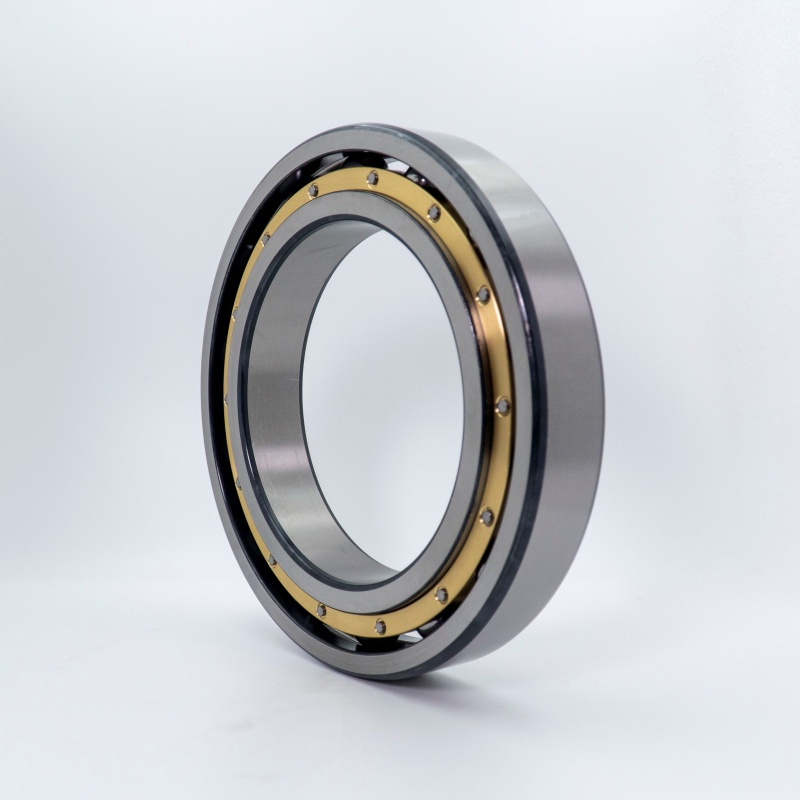
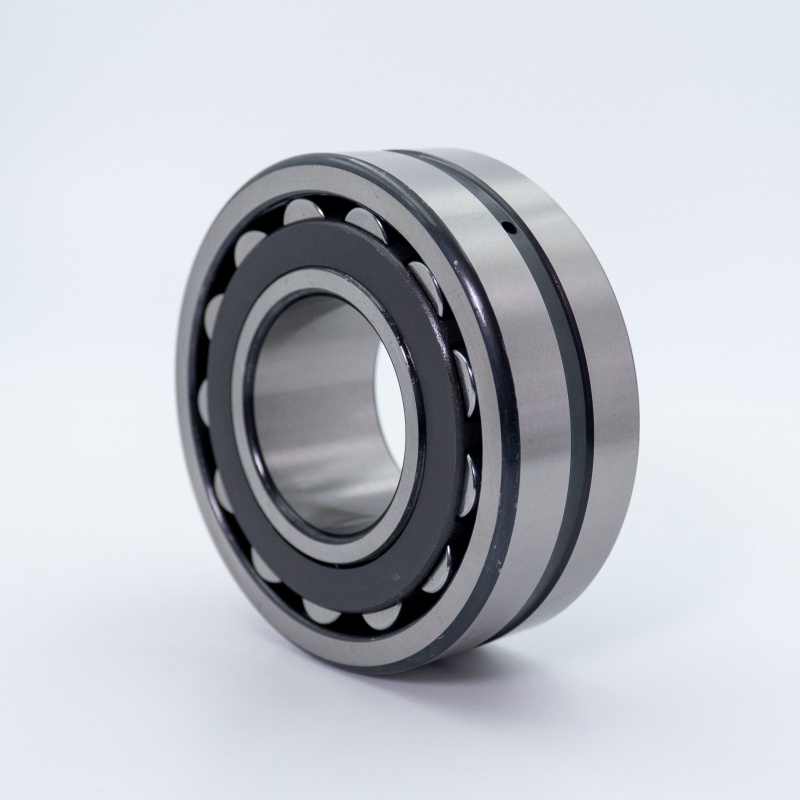
Ann kòmanse ak Basics yo. Youn Portant wou is a crucial part of your vehicle’s wheel assembly that connects the wheel ak la aks. It is a set of steel balls or tapered rollers held together by a metal ring. Its primary job is to allow the rou pou vire tounen smoothly with minimal friksyon. Imagine trying to spin a heavy rou directly on an aks—the metal-on-metal grinding would create immense heat and wear, and the rou wouldn't rotate freely. The Portant wou solves this problem.
Inside the wou mwaye, these small, tough BEARINGS boul or rollers ride on a smooth metal surface, bearing the full weight of the vwati while allowing for effortless motion. A protective seal is fitted to keep the grès that lubricates the palye in and to keep contaminants like water, sand, and dirt out. In modern cars, the Portant wou assembly also often includes the rou vitès sensor for the anti-lock braking system (ABS). So, this small component is responsible for:
- Allowing the rou to rotate with very little friksyon.
- Supporting the entire weight of the car.
- Ensuring the wheel and tire assembly remains securely attached to the car.
Without a healthy Portant wou, your car simply cannot move safely or efficiently. Every turn you make and every mile you drive relies on the integrity of this small but mighty part.
How Long Do Wheel Bearings Last on a Typical Car?
This is a common question: how long do wheel bearings last? There isn't a single answer, as the validite nan yon Portant wou can vary significantly. However, as a general guideline, most modern BEARINGS wou yo fèt pou dire pou 100,000 to 150,000 miles. Many will last the entire life of the vwati without ever needing to be replaced. They are engineered for durability.
However, this is an ideal scenario. The actual validite depends on several factors:
- Driving Conditions: If you frequently drive on poorly maintained roads with potholes, or on dirt and gravel roads, your BEARINGS wou will experience more wear. Hitting a deep foule ou curb can cause immediate damage.
- Environmental Factors: Living in an area with heavy rain, mud, or where road salt is used in the winter can cause the Portant wou seal to degrade. Once moisture and grit get inside, the palye will fail quickly.
- Driving Style: Aggressive driving, such as taking corners at high speed, puts higher loads on the rou bearings and can accelerate wear.
- Vehicle Modifications: Installing larger, heavier wheels and tires or making certain sispansyon modifications can increase the stress on the Portant wou, leading to prematire failure.
While a high-quality Portant wou is built to be tough, it's not invincible. Understanding what causes them to Ale move can help you extend their life and know when to seek a repair.
What are the Telltale Signs of Bad Wheel Bearings?
Yon echèk Portant wou will almost always give you warning signs. It's crucial to listen to your car and pay attention to these symptoms. Ignoring them can lead to more expensive repairs or, worse, a dangerous situation where a rou could come off the vwati. Here are the most common signs of bad wheel bearings:
- Humming or Grinding Noise: This is the most classic symptom. The bwi often starts as a faint hum and gets progressively louder. It typically changes with the speed of the vwati and may get louder or quieter when you turn the rou. A grinding bwi indicates the Portant wou has lost its lubrication and is suffering from severe wear.
- Clicking or Snapping Sounds: You might hear a sharp click or snapping bwi, especially when making sharp turns. This can indicate excessive play in a worn wheel bearing.
- Vibration in the Steering Wheel: A bad Portant wou can cause vibrations that you feel through the steering rou. This vibration often gets worse as the car accelerates and can feel similar to an unbalanced kawotchou.
- Mete kawotchou inegal: If a Portant wou is worn out, it can cause the rou to wobble slightly. This "play" leads to the kawotchou wearing down unevenly and much faster than usual. If you notice one kawotchou wearing out on the inside or outside edge, a Move wou pote could be the culprit.
- ABS avètisman limyè: In many modern cars, the Portant wou assembly houses the ABS sensor. Si la palye becomes loose or fails, it can damage the sensor or cause it to malfunction, triggering the ABS light on your dashboard.
- Machin rale sou yon bò: A severely worn Portant wou can cause drag on the rou, fè la car rale sou bò goch la oswa adwat.
If you notice any of these symptoms, it's essential to have your vwati inspected by a qualified technician as soon as possible.
What Can Damage a Wheel Bearing and Make it Go Bad?
A Portant wou is a sealed, robust component, but several things can damage a wheel bearing and cause it to Ale move prematurely. As a manufacturer, we analyze failed bearings to understand the root causes, and they often fall into a few categories.
- Domaj enpak: This is a leading cause of premature wear. Hitting a curb, a major foule, or driving over speed bumps too fast sends a massive shockwave through the rou, kawotchouak sispansyon. Sa impact can create microscopic dents in the bearing races, which will quickly develop into significant wear and cause the wheel bearing to fail. Even a minor car accident can cause unseen damage to a Portant wou.
- Kontaminasyon: A seal on a Portant wou is its primary line of defense. If this seal is damaged or simply wears out over time, contaminants like water, road salt, sandak mud can get inside. This contamination washes away the essential grès and creates an abrasive paste that rapidly destroys the internal components of the Portant wou.
- Enstalasyon move: A Wou pote ranplasman is a precision job. Using the wrong tools, like a hammer, to press in a new palye can cause damage before the car even leaves the garage. Furthermore, not tightening the axle nut to the specified torque is a critical error. Too loose, and the Portant wou will have excessive play; too tight, and it will put an excessive chay on the bearing. Both scenarios will cause the new Portant wou pou Ale move very quickly.
- Pòv bon jan kalite konpozan: Sometimes, a Portant wou fails simply because it was not made to high standards. Low-quality steel, improper heat treatment, or a poorly designed seal can all lead to a drastically shortened validite. This is why choosing a reputable brand for your Wou pote ranplasman is so important.
How Does a Technician Diagnose a Bad Wheel Bearing?
If you suspect you have bad wheel bearings, a professional technician has several methods to confirm the problem. It's important to correctly dyagnostike the issue, as the symptoms can sometimes mimic other problems, like kawotchou ou sispansyon issues.
Here's how a technician will typically inspect your Portant wou:
- The Test Drive: The first step is often to drive the car to listen for the characteristic humming or grinding bwi. A skilled technician can often tell which rou a bwi is coming from by listening as they dirige a car left and right. For example, when turning right, the weight of the vwati shifts to the left side, putting more chay on the left Portant wou. Si la bwi gets louder, it's a strong indication that the left front wheel bearing is the problem.
- Tès la vire: A technician will lift the car on a hoist so the wheels are off the ground. They will then vire tounen each rou by hand and listen closely. A good Portant wou will allow the rou pou vire tounen silently and smoothly. A bad Portant wou will feel rough and make a grinding bwi.
- Tès la ajite: With the car still in the air, the technician will grab the rou at the top and bottom and try to wiggle it. They will then grab it on the sides and do the same. If there is any noticeable "play" or looseness (known as excessive play), the Portant wou is worn out and must be replaced. A healthy Portant wou pèmèt la rou to rotate but has no room to wobble. This test helps differentiate Portant wou issues from other worn suspension components.
These simple but effective tests are usually enough to dyagnostike a Move wou pote with high accuracy, ensuring the correct repair is performed.
Is It Safe to Drive a Car with a Bad Wheel Bearing?
The short answer is no. Driving a car ak yon Move wou pote is not safe. While the initial symptoms might just be an annoying bwi, the problem will get progressively worse. The wear inside the palye creates more and more heat and friksyon.
Kòm la wear increases, the consequences become more severe:
- Pèt kontwòl volan: A severely worn wheel bearing can cause the rou to wobble significantly, which can affect your ability to dirige a car accurately, especially at high speeds.
- Brake System Damage: The wobbling rou can cause the brake rotor to run out of true, leading to damage to the Kalipè fren and pads.
- ABS System Failure: As mentioned, a failing Portant wou can damage the ABS sensor, disabling your anti-lock braking system.
- Catastrophic Failure: In the worst-case scenario, the Portant wou can fail completely. This can cause the wou mwaye to separate, and the rou can literally come off the vehicle while you are driving. This is an extremely dangerous situation that can cause a total loss of control.
Si ou sispèk ou gen yon Move wou pote, do not ignore it. You should stop driving the car and have it towed to a qualified mechanic for repair. The risk is simply not worth it.
What Does a Professional Wheel Bearing Replacement Involve?
A Wou pote ranplasman is a labor-intensive job that requires specialized tools and expertise. While the exact steps vary depending on the car's design (press-in palye vs. bolt-on hub asanble), the general process is similar.
A technician will:
- Safely lift the vwati and remove the rou.
- Disassemble the brake components, including the Kalipè fren and rotor, to gain access to the wou mwaye.
- Remove the aks nut and disconnect any relevant suspension components, like the tie rod end or ball joint.
- Remove the entire steering knuckle or hub asanble soti nan la car.
- For a Press-in Bearing: Use a powerful hydraulic press to push the old Portant wou out of the knuckle and press the new one in. This requires precision to avoid damaging the new palye or the knuckle.
- For a Bolt-on Hub Assembly: Simply unbolt the old Portant wou kostim asanble and bolt the new one on. This is a simpler type of repair.
- Reassemble all the sispansyon and brake components.
- Tighten the axle nut to the vehicle manufacturer's specified torque. This is a critical step for the longevity of the new Portant wou.
- Reinstall the rou and lower the vwati.
- Finally, the technician will test-drive the car to ensure the bwi is gone and the vwati drives smoothly.
This process highlights why a proper enstalasyon is just as important as the quality of the Portant wou tèt li.
How Much Should I Expect the Wheel Bearing Replacement Cost to Be?
A wheel bearing replacement cost can vary widely based on several key factors. There's no one-size-fits-all price estimate, but we can break down the costs to give you a better idea.
The total cost is made up of two parts: parts and labor.
- Parts Cost: The price of the Portant wou itself can range from $50 for a basic bearing pou over $400 for a high-end hub assembly on a luxury or all-wheel-drive vwati. The design of your car is the biggest factor here—a simple press-in Portant wou is much cheaper than a complete hub asanble that includes a new hub and ABS sensor.
- Labor Cost: Labor will typically run between $200 and $500 per rou. The time it takes to replace a wheel bearing can be anywhere from 1.5 to 4 hours, depending on the complexity of the vehicle's suspension and whether the old palye is seized due to rust. A front wheel bearing on a front-wheel-drive car is often more labor-intensive.
Therefore, the total wheel bearing replacement cost usually falls somewhere between $250 and $900 per wheel. It’s often recommended to replace wheel bearings in pairs (both front or both rear) to ensure even wear and handling, which would double the cost. Always get a detailed quote from your mechanic before authorizing the repair.
Can You Replace a Wheel Bearing Yourself?
While some experienced DIY mechanics can replace a wheel bearing, it is generally not recommended for the average car owner. This is an advanced repair that poses significant challenges and safety risks.
Here's why you should think twice before attempting this yourself:
- Specialized Tools: You will need more than a basic socket set. To do the job correctly, you will likely need a hydraulic press (for press-in bearings), a heavy-duty koupl wrench capable of very high koupl settings for the axle nut, a palye puller/installer kit, and potentially other specialized sispansyon tools.
- Risk of Damage: Without the right tools and technique, it is very easy to damage a wheel bearing during enstalasyon. Pressing on the wrong part of the palye can destroy it before it's even on the car. An improperly torqued axle nut will guarantee prematire failure.
- Safety Concerns: You will be working with heavy components and parts that are under tension from the vehicle's weight. The sispansyon system can be dangerous to disassemble if you don't know what you're doing. Most importantly, a mistake during enstalasyon could lead to the rou coming off while driving.
For the vast majority of drivers, this is a job best left to a professional technician. The peace of mind that comes from knowing the job was done correctly and safely is well worth the labor cost.
Why a High-Quality Wheel Bearing Matters for Your Vehicle
As a bearing manufacturer, we can't stress this enough: the quality of the replacement Portant wou you choose matters immensely. It can be tempting to opt for the cheapest part available, but this is often a mistake that costs more in the long run. A cheap, low-quality Portant wou is more likely to fail prematurely.
Here’s what you get when you invest in a quality Portant wou:
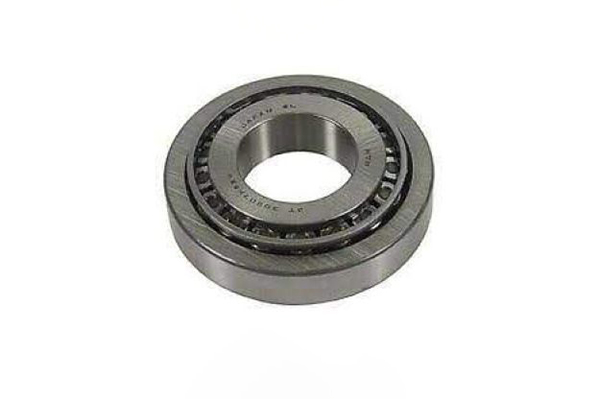
- Superior Materials: High-quality bearings, like the taper roller bearings often used in trucks and some cars, are made from cleaner, stronger steel. This provides a higher resistance to wear, heat, and impact, ensuring a longer validite.
- Jeni Precision: A quality Portant wou is manufactured to exact specifications. This guarantees a perfect fit and smooth, quiet operation. The internal clearances are precise, ensuring the palye can handle the designed chay without wobbling or creating excess friksyon.
- A Better Seal: A seal is one of the most important parts of a Portant wou. Reputable manufacturers use multi-lip seals made from high-quality materials that are more effective at keeping water and contaminants out, which is the key to longevity.
- Reliability and Safety: Ultimately, a quality Portant wou gives you confidence that your car is safe and reliable. You're investing in a component designed and tested to withstand the immense forces a rou endures every day. Many modern hub assemblies use advanced sealed cartridges, which share design principles with industrial-grade gwo twou san fon Groove boul BEARINGS built for long-term performance.
When it's time for a Wou pote ranplasman, ask your technician about the brands they use and insist on a quality part. It is a critical investment in your vehicle’s safety and performance.
Post time: Oct-28-2025