

As a procurement manager or MRO professional, you are on the front lines of ensuring operational reliability. You know that the smallest component can have the biggest impact, and a single bearing failure can bring an entire production line to a halt. But there is a growing, hidden threat in the global market that even the most diligent managers can fall victim to: the proliferation of counterfeit bearings. These are not just low-quality alternatives; they are fraudulent products designed to deceive. This guide is written from my perspective as a manufacturer at VPK Bearing, where we see the devastating consequences of these fakes firsthand. Reading this article will arm you with the practical knowledge you need to spot counterfeit bearings, protect your machinery from catastrophic failure, and secure your supply chain against this pervasive threat.
What Exactly Defines a Counterfeit Bearing?
First, it is crucial to understand what a counterfeit bearing is—and what it isn't. A counterfeit is not simply a generic or unbranded bearing. It is a product that illegally uses the brand name, logo, and intellectual property of a legitimate, respected manufacturer (like SKF, NSK, NTN, or Timken) to trick buyers into believing they are purchasing a genuine bearing. The goal of the counterfeiter is pure deception. They want you to think you are getting a premium product at a bargain price, when in reality, you are getting a dangerously inferior one.
These fake bearings are a significant problem in the global market, affecting various industries that rely on high-performance components. A counterfeit bearing is typically made from substandard materials with no real quality control process. While it may mimic the appearance of the real thing, it lacks the precision engineering, material science, and rigorous testing that define authentic bearings. The use of counterfeit bearings, whether intentional or not, introduces a massive, unpredictable risk into your operations.
At VPK Bearing, we adhere to strict ISO9001 quality standards. We know that genuine bearings are manufactured to incredibly tight specifications for a reason: to ensure performance and reliability. A counterfeit, on the other hand, is a gamble with your equipment's health and your company's bottom line. It's a fraudulent item that undermines the trust and hard-earned reputation of the entire bearing industry.
Why is the Impact of Counterfeit Bearings So Dangerously Severe?
The allure of a lower price can be tempting, but the true cost of a counterfeit bearing is revealed when it inevitably fails. The impact of counterfeit bearings goes far beyond the price of the component itself; it creates a ripple effect of catastrophic consequences that a risk-averse manager like you works tirelessly to prevent. These bearings pose a significant threat to safety, productivity, and profitability.
Here are the primary dangers that counterfeit bearings pose:
- Catastrophic Machinery Failure: A genuine bearing is designed to handle specific loads, speeds, and temperatures. A counterfeit, made from lower quality steel, may fail suddenly and violently. This can destroy shafts, gears, and housings, turning a simple component replacement into a full-scale machinery rebuild costing tens or hundreds of thousands of dollars.
- Unplanned Downtime and Lost Production: When a critical piece of equipment fails, production stops. The cost of this downtime—measured in lost output, missed deadlines, and labor costs—often dwarfs the initial savings from buying a fake bearing. Reliability is paramount, and a counterfeit bearing is the enemy of reliability.
- Safety Hazards: In high-speed or heavy-load applications, a bearing seizure can cause machinery to break apart, creating a serious safety risk for personnel. The failure of a counterfeit bearing is unpredictable, making it a ticking time bomb in your facility.
- Damage to Your Reputation: Both your personal reputation as a manager and your company's reputation depend on delivering results. Frequent breakdowns caused by substandard parts erode confidence and can damage relationships with customers.
Simply put, a counterfeit bearing is a liability masquerading as an asset. The potential for premature failure makes any initial cost savings completely irrelevant.
How Can You Physically Identify Fake Bearings?
While counterfeiters are getting better at deception, there are often physical clues that can help you tell the difference between genuine and counterfeit products if you know what to look for. Before you install a new shipment of bearings, a quick physical inspection can be your first line of defense. A counterfeit bearing may look correct at first glance, but a closer examination often reveals its poor quality.
Here’s what to check:
- Overall Finish and Feel: A genuine bearing from a top manufacturer will have a smooth, finely machined finish. A counterfeit bearing often has a rougher surface, visible grinding marks, or imperfections. The edges may feel sharp or unfinished.
- Weight and Dimensions: Counterfeit bearings may not meet the precise tolerances and weights of original products. If you have a known genuine bearing, compare its weight to the new one. Any significant difference is a major red flag.
- Rolling Elements: In ball bearings, examine the balls themselves. In a genuine product, they will be perfectly spherical, uniform, and polished. A counterfeit bearing might have misshapen, dull, or differently sized rolling elements.
- Material Quality: While difficult to assess without lab equipment, sometimes the material itself looks wrong. Counterfeit bearings are often made from cheaper, softer steel that may have a different sheen or color than a high-quality chromium steel part. If you have the means, you can test the bearing for material hardness.
These checks are not foolproof, as the most sophisticated fakes are very convincing. However, many of the counterfeit products flooding the market can be caught by a well-trained eye.
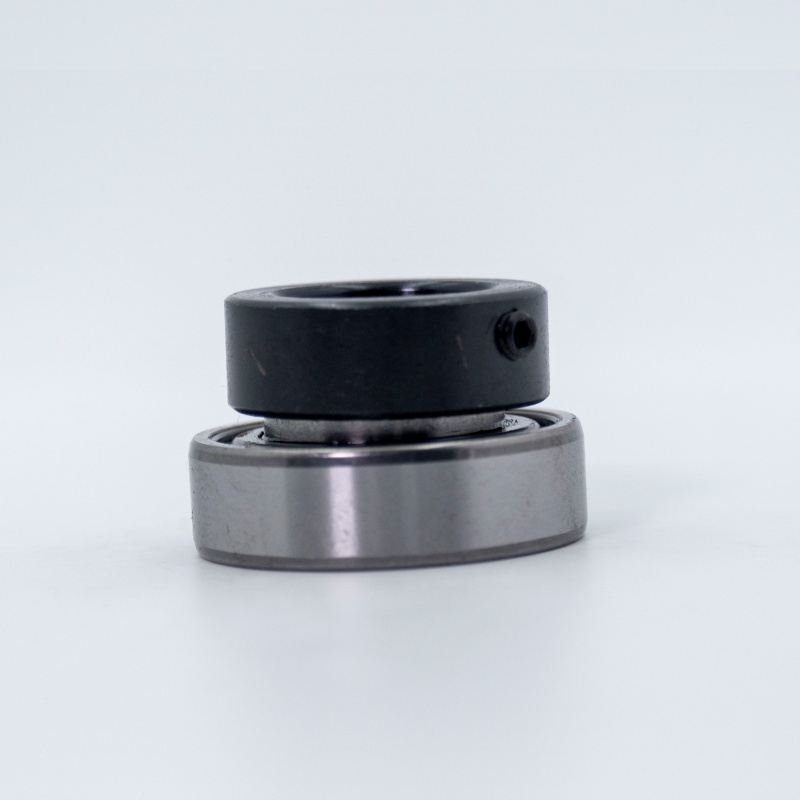
What Are the Telltale Signs in Packaging and Marking?
Often, the easiest way to spot counterfeit products is by examining the packaging and the marking on the bearing itself. Legitimate manufacturers invest heavily in branding and packaging as a part of their quality control and anti-counterfeiting efforts. Counterfeiters, focused on minimizing costs, often cut corners here.
This table highlights key differences to look for:
| Feature | Genuine Bearing | Suspected Counterfeit Bearing |
|---|---|---|
| Box Quality | Sturdy, high-quality cardboard with precise printing and brand colors. | Flimsy box, poor-quality print, off-colors, spelling errors, or blurry text. |
| Logo & Branding | Crisp, clear, and perfectly replicated logo and trademark information. | Distorted, poorly printed, or slightly incorrect logo. May be missing ® or ™ symbols. |
| Part Number Marking | Cleanly etched or lasered onto the bearing. The font is consistent and clear. | Stamped unevenly, smudged, or uses a different font. The marking may be faint or off-center. |
| Seals & Wrapping | Often vacuum-sealed in high-quality plastic with brand markings. | Wrapped in cheap, oily plastic. Seals on the bearing may be of poor quality or incorrect color. |
| QR Codes & Barcodes | Scannable codes that link to a verification page or product database. | Missing, fake, or non-functional QR codes. The code may not scan the code correctly. |
The rise of QR codes has become a powerful tool. Many bearing manufacturers, including SKF and NSK, now use unique codes on their packaging that you can scan to verify the authenticity of the product. This feature provides a direct link to the manufacturer, offering an extra layer of verification.
Why is an Unusually Low Price a Major Red Flag for a Counterfeit?
In procurement, everyone is looking for value. But there's a huge difference between a competitive price and a price that's too good to be true. One of the most glaring signs of a counterfeit bearing is a suspiciously low price. If a supplier is offering what appears to be a premium brand-name bearing at significantly lower prices than genuine products from authorized distributors, you should be extremely cautious.
There is a simple reason for this: genuine bearings are manufactured to precise standards using high-grade steel and rigorous quality checks. This process is expensive. It requires massive investment in R&D, materials, and machinery. Counterfeiters bypass all of this. A counterfeit bearing is typically made from cheap, low-grade steel, produced on outdated equipment with no real quality assurance. Their only goal is to produce something that looks real enough to sell, at the lowest possible cost.
When you see a price that dramatically undercuts the market rate, you are not getting a deal. You are likely being offered a fake product. The counterfeiter is profiting from brand theft, and you are assuming all the risk of premature equipment failure. This is why it's essential to source through channels you can trust.
How Do You Vet a Supplier to Avoid Counterfeit Bearings?
Your choice of supplier is the single most critical decision you can make to avoid counterfeit bearings. The safest supply chain is the shortest and most transparent one. To protect your operations from fraudulent bearings, you must be vigilant about where you source your components.
Here are the most effective ways to ensure you are buying genuine products:
- Buy from Authorized Distributors: Leading bearing manufacturers have a network of authorized distributors. These companies have a direct relationship with the manufacturer and are contractually obligated to sell only genuine products. A list of these distributors is usually available on the manufacturer's website. This is the gold standard for sourcing.
- Develop Direct Relationships with Manufacturers: For large-volume purchases, establishing a direct relationship with a reputable manufacturer like VPK Bearing is another way to guarantee authenticity. This cuts out all middlemen, eliminating any chance of a counterfeit entering your supply chain.
- Be Wary of Online Marketplaces: While convenient, large, unvetted online marketplaces are hotbeds for counterfeit goods. It can be very difficult to determine the legitimacy of a seller. If you must buy online, do so only from the official online store of an authorized distributor.
- Demand Traceability: Ask your supplier for documentation that proves the origin of the products. A legitimate supplier should be able to provide traceability information back to the manufacturer. If they are evasive or cannot provide this, it is a major red flag that the bearing may be counterfeit.
Your supply chain is your first and best defense. Never sacrifice the integrity of your sourcing process for a small, short-term cost saving.
What is the WBA (World Bearing Association) Doing to Fight Fakes?
You are not alone in this fight. The bearing industry is actively working to combat this problem. The World Bearing Association (WBA), an organization comprised of leading bearing manufacturers, has launched a global anti-counterfeiting campaign to raise awareness. Their primary message is simple: "Stop Fake Bearings."
The WBA works on several fronts:
- Public Awareness: They run campaigns to educate end-users, distributors, and maintenance professionals about the dangers of counterfeit bearings and how to identify and avoid them.
- Collaboration with Law Enforcement: The WBA and its member companies work with customs agencies and police forces around the world to identify and raid counterfeit manufacturing and distribution operations.
- Promoting Best Practices: They strongly advocate for purchasing bearings only through authorized distributors to ensure product authenticity.
The efforts of the WBA highlight the severity of the counterfeit issue. When major global competitors like SKF, Schaeffler (INA/FAG), NSK, NTN, and Timken unite on a single issue, it underscores the threat that fraudulent products pose to the entire ecosystem of global trade and industrial reliability.
Can a Bearing Authenticator App Really Protect You?
In the digital age, technology is providing new tools to fight counterfeiters. Several of the world's top bearing manufacturers have developed smartphone apps specifically designed to help identify fakes. The WBA even has its own app, the WBA Bearing Authenticator App, which helps you check for genuine apps from their member companies.
These apps generally work in one of two ways:
- QR Code Scanning: The most common method involves using your phone's camera to scan QR codes printed on the bearing box. The app connects to the manufacturer's database to instantly verify the authenticity of the product's unique identifier. If the code is invalid or has been scanned multiple times in different locations, the app will flag it as suspicious. This is a powerful feature offered by companies like NTN and SKF.
- Photo Verification: Some apps, like the SKF Authenticate app, allow you to take and submit high-quality photos of the bearing, its markings, and its packaging. These photos are sent directly to the company's experts, who will analyze them and report back on whether the product is likely a counterfeit.
While not a replacement for a secure supply chain, these apps are an excellent tool for on-the-spot verification, especially if you have any doubts about a delivery. They empower you and your team to be proactive in the fight to stop fake bearings.
What Should You Do If You Suspect You Have a Counterfeit Bearing?
If you inspect a shipment and suspect you've received a counterfeit bearing, it's critical to act quickly and decisively. Handling a suspected counterfeit correctly protects your machinery and helps fight this illegal trade.
Follow these steps:
- Do Not Install the Bearing: Under no circumstances should a suspected counterfeit bearing be installed in any machinery. This is a safety and reliability risk you cannot afford to take.
- Quarantine the Products: Separate the entire batch of suspicious bearings from your main inventory. Clearly label them to ensure they are not used accidentally.
- Contact Your Supplier Immediately: Inform your distributor or supplier of your concerns. A legitimate supplier will take this very seriously and work with you to resolve the issue. Their reaction will tell you a lot about their legitimacy.
- Report it to the Manufacturer: Contact the brand manufacturer whose name is on the box (e.g., NSK, Schaeffler). Their brand integrity is being violated, and they have a dedicated process for investigating counterfeit claims. They may ask for photos or for you to send them the product for analysis.
- Document Everything: Keep detailed records, including purchase orders, invoices, photos of the product and packaging, and all communication with your supplier.
By taking these steps, you not only prevent a potential bearing failure in your own facility but also contribute to the larger effort to get counterfeit products off the market.
How Partnering with a Legitimate Manufacturer Secures Your Operations
Ultimately, the most effective strategy to guarantee you receive only genuine bearing products is to build strong relationships with legitimate manufacturers and suppliers. As a procurement manager, you understand the value of a reliable partner who contributes to your company's success rather than introducing risk. A manufacturer like VPK Bearing is not just a vendor; we are your partner in ensuring the performance and reliability of your machinery.
When you work directly with an ISO9001-certified manufacturer, you eliminate the risks associated with a convoluted supply chain. You get:
- Guaranteed Authenticity: Our products come directly from our factory to you. There is zero chance of a counterfeit entering the supply chain.
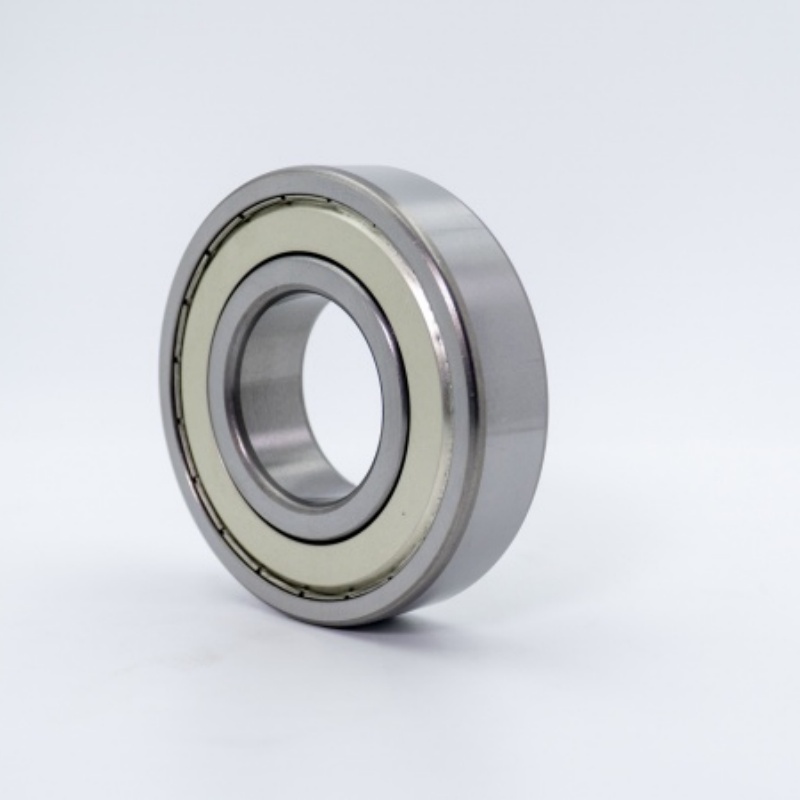
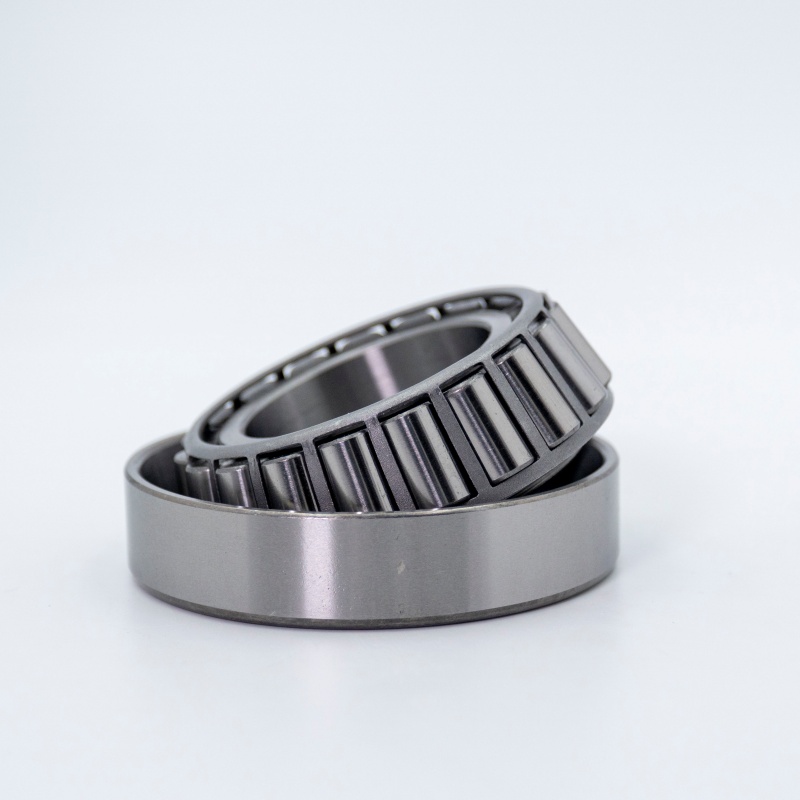
- Complete Traceability: We can provide full documentation for the materials and manufacturing processes for every bearing we produce, whether it's one of our reliable deep groove ball bearings or our robust, heavy-duty tapered roller bearings.
- Consistent Quality: Our commitment to rigorous quality control ensures that every bearing meets the highest industry standards for performance and longevity. You get the reliability you pay for, every time.
- Expert Support: You have a direct line to our engineers and technical staff who can provide support and ensure you get the right component, like a high-quality pillow block bearing, for your specific application.
In an environment where the threat of counterfeit bearings is real and growing, simplifying and securing your supply chain is the smartest strategic move you can make. It protects your equipment, your budget, and your peace of mind.
Key Takeaways to Remember
- Counterfeit bearings are fraudulent products that illegally use the branding of legitimate manufacturers and pose a severe risk to machinery and safety.
- The true impact of counterfeit bearings includes catastrophic equipment failure, costly downtime, and potential safety hazards.
- Always inspect new bearings for physical imperfections, incorrect markings, and poor quality packaging, which are telltale signs of a fake.
- An unusually low price is the biggest red flag. If a deal seems too good to be true, it almost certainly is.
- The most crucial step to avoid buying counterfeit bearings is to source them exclusively from authorized distributors or directly from a reputable manufacturer.
- Utilize modern tools like manufacturer authenticator apps to scan QR codes and perform on-the-spot verification checks.
- If you suspect you have a counterfeit, do not install it. Quarantine the product and report it to your supplier and the brand manufacturer immediately.
Post time: Sep-19-2025