
The world of heavy machinery and vehicular transport is undergoing a massive, undeniable transformation. At the absolute heart of this mechanical shift sits the bearing market, a vital sector fundamentally responsible for keeping the world turning smoothly. This comprehensive guide delves deep into the rapidly evolving landscape of the global bearings industry. We will focus heavily on how the explosive rise of the electric vehicle is completely reshaping everything from traditional automotive supply chains to the engineering of a high-speed motor. For senior procurement managers and MRO professionals, understanding the intricate bearings market size and its projected cagr is no longer optional—it is a critical business necessity. If you want to secure a truly resilient parts network, anticipate future trends, and understand exactly why a modern ball bearing matters more than ever, this article is definitely worth reading.
What is the Current Market Overview for the Global Bearing Market?
When we step back and look at the broad market overview, the sheer physical scale of the global bearing market is staggering. Every single spinning component on earth, from a massive factory conveyor belt to a tiny computer fan, heavily relies on a reliable bearing design to function properly without burning up. Currently, the bearings market size is expanding at a highly robust pace. This massive expansion is driven primarily by heavy industrial automation and the booming automotive sector. The total market value is fully expected to reach unprecedented historical heights, with a healthy CAGR strongly guiding the financial forecast over the next busy decade. This market growth is not just about producing millions of more units; it is about aggressively producing smarter, vastly more efficient units.
Historically, the bearings industry has confidently relied on the trusted, durable steel bearing. However, the current, rapidly shifting market dynamics are fiercely pushing for lighter, stronger, and much more friction-resistant alternatives. Astute procurement managers are paying very close attention to this material shift. You can simply no longer just buy a standard, cheap part and blindly hope it lasts for years. You must intimately understand the exact market size of highly specialized components. Whether you need a simple, traditional deep groove ball bearing for a pump or a highly complex roller bearing for a heavy transmission, the relentless demand for unparalleled precision is currently at an all-time high.
To stubbornly stay competitive, a modern bearing manufacturer must constantly, ruthlessly innovate. Right now, we are seeing a massive, unprecedented influx of research and development funds aggressively pouring into the bearing market. This heavy financial investment specifically aims to create advanced parts that effectively minimize destructive friction and vastly extend operational service life. As we carefully analyze the latest global market report, it is crystal clear that older companies failing to adapt to these strict new engineering standards will very quickly lose their precious market share. The underlying market structure is shifting violently, heavily rewarding only those who can deliver high-quality, perfectly durable components on time, every single time.
How is the Automotive Sector Driving the Bearings Market Size?
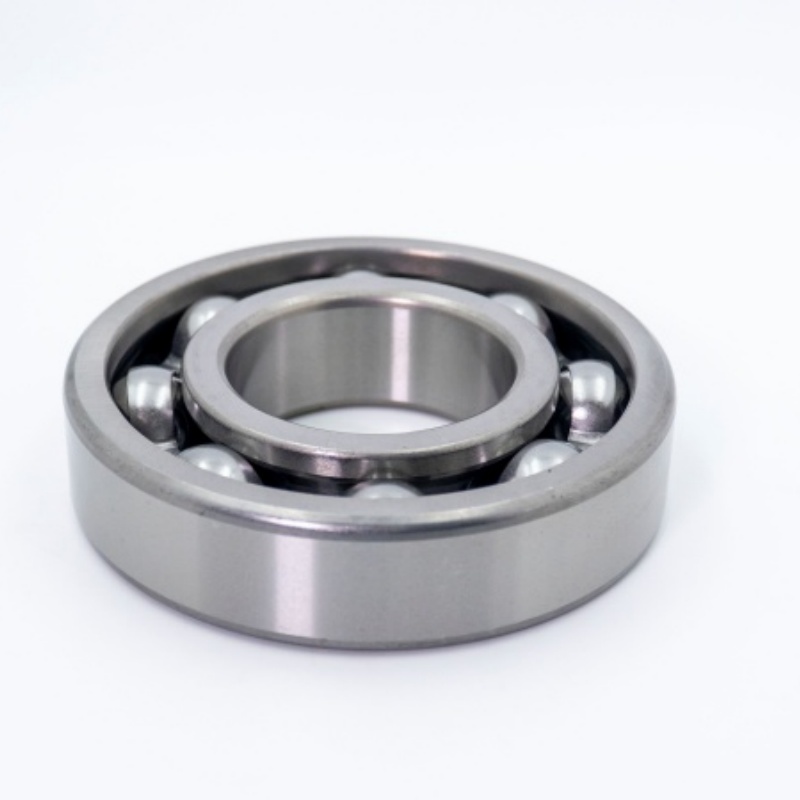
The sprawling automotive industry has always proudly been the primary, roaring engine of steady growth for the bearing market. Every single passenger car, commercial truck, and heavy-duty transport vehicle physically requires dozens of highly precise bearings just to operate safely. From the spinning engine block to the rolling wheels, the raw demand for high-performance parts is totally relentless. The automotive sector directly dictates the massive bearings market size we clearly see today. When global vehicle sales suddenly surge, the immediate demand for a reliable automotive ball bearing skyrockets in perfect tandem.
Historically, the dirty, hot internal combustion engine naturally required very specific, rugged bearing applications. However, the rapid, unstoppable transition toward the electric vehicle is rewriting the engineering rulebook entirely. Modern automotive applications loudly demand parts that can easily spin much faster and safely handle entirely different, complex stress loads. The automotive market is currently extremely hungry for a lightweight bearing that noticeably reduces overall vehicle weight, thereby wonderfully improving battery range. This incredibly simple requirement is actively forcing every single major bearing manufacturer to completely rethink their entire legacy product catalog and their core manufacturing process.
Furthermore, the fragile global supply chain is heavily feeling the immense, crushing pressure of these rapidly changing automotive needs. Large, powerful automotive manufacturers are aggressively demanding incredibly strict quality controls and fully verifiable metal material certifications. A simple, basic ball bearing used in a modern steering column must now perfectly meet the exact same rigorous, flawless standards as expensive aerospace components. Because of this intense pressure, the global bearings market is segmented strictly by sheer quality and highly specific application. The lucrative market size for premium, totally defect-free automotive components is rapidly growing at a much faster growth rate than the dying market for basic, uncertified, cheap parts.
Why are Electric Vehicle and EV Motor Designs Changing the Bearings Industry?
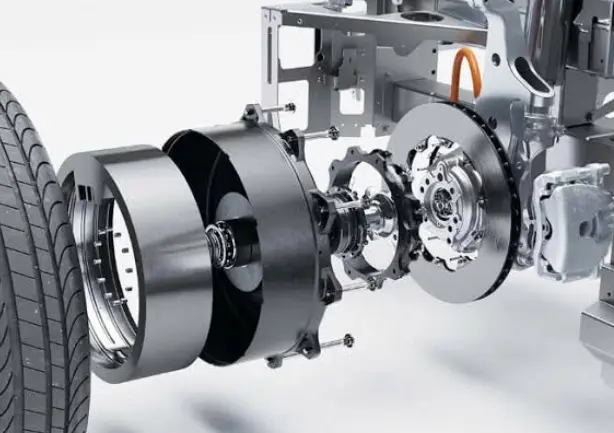
The hidden internal mechanics of an EV are drastically, totally different from a traditional gas-powered car. An electric motor forcefully spins at incredibly high speeds—very often vastly exceeding 15,000 to 20,000 RPM. This blistering, screaming speed instantly creates intense heat and severe, damaging friction. Standard, cheap parts simply melt, warp, or completely shatter under this brutal pressure. Therefore, a smart EV manufacturer absolutely requires highly specialized, incredibly tough bearings for electric motors. These amazing bearings that can withstand such extreme rotational forces are rapidly transforming the entire, global bearings industry.
One of the absolute biggest engineering challenges inside a modern electric vehicle is hidden electrical arcing. High-frequency stray currents from the powerful motor inverter can actually pass directly through a standard, conductive steel bearing. Over a short time, this stray, wandering current actively causes microscopic pitting and ugly fluting on the delicate metal raceways, rapidly leading to premature, noisy failure. To effectively combat this invisible enemy, brilliant engineers have developed the specialized ev-specific bearing, which very often features highly special electrical insulating coatings. Alternatively, the global market is currently seeing a huge, massive spike in the use of a smart hybrid bearing. By cleverly using hard ceramic balls instead of conductive steel balls, you completely stop the electrical current from damaging the crucial part.
As the green EV revolution sharply accelerates, the sluggish bearing market must urgently keep up. The fast-moving ev segment is directly driving massive, wonderful innovation in complex lubrication technologies as well. Standard, thick grease literally burns up instantly at extreme EV motor speeds. New, highly advanced lubricants are strictly required to ensure the ball bearing successfully survives its long expected service life. This intricate, delicate dance between high speed, stray electricity, and intense heat is exactly why the bearings market size for EV components clearly has a staggeringly high projected CAGR in the upcoming, highly anticipated forecast.
What Market Dynamics Influence the Demand for an Automotive Ball Bearing vs Ceramic Hybrid Ball Bearings?
When a seasoned procurement manager sits down to order parts, the tough choice between a traditional automotive ball bearing and highly advanced ceramic hybrid ball bearings is absolutely critical. The core market dynamics actively at play here involve a very strict, unforgiving cost-benefit analysis. A standard, trusty steel bearing is relatively cheap to mass-produce, very readily available in the messy global supply chain, and perfectly fine for low-speed, highly conventional applications. For a standard, boring wheel hub or a simple water pump, the basic ball bearing stubbornly remains the undisputed, heavy king of the global bearing market.
However, when you carefully look at extreme, high-performance environments, the old narrative changes completely. The amazing hybrid ceramic ball bearings use incredibly hard silicon nitride balls securely trapped inside tough steel rings. They are significantly lighter, much harder, and vastly smoother than old steel. This drastically and wonderfully reduces friction and allows the bearing to run much cooler at extreme, terrifying speeds. For a new electric vehicle or a high-end, fast hybrid car, this massive reduction in mechanical drag translates directly into extra, highly valuable driving range. Although a shiny hybrid bearing costs substantially more upfront, the greatly extended service life and massive energy savings very often easily justify the painful premium price tag.
This massive engineering shift is clearly and boldly reflected in any modern, professional bearings market analysis. The highly contested market share for exotic ceramic bearings is steadily, undeniably climbing. While they certainly won't entirely replace the trusty, traditional ball bearing overnight, their immense importance in the rapidly growing electric motor sector is totally undeniable. As modern bearing production techniques steadily improve and massive economies of scale happily kick in, we fully expect the high price of these advanced parts to drop, further fueling their rapid, explosive market growth in the highly competitive automotive world.
How will the Bearings Market Regional Outlook Shape Supply Chain Choices?
The massive, truly global nature of the bearing market strongly means that subtle geographical shifts heavily impact exactly how big companies safely source their parts. The detailed bearings market regional outlook shows a massive, unstoppable expansion in the busy Asia-Pacific region. Rapid, aggressive industrialization, booming, gigantic infrastructure projects, and the explosive, wild growth of the ev market in Asia are actively driving this massive demand. As a hungry emerging market rapidly matures, its insatiable appetite for both a simple, cheap ball bearing and a highly complex cylindrical roller bearings grows exponentially every single year.
For a cautious, US-based MRO manager, keeping a very close, watchful eye on the booming chinese bearing industry is totally essential. China has very firmly established itself as an absolute powerhouse in global bearing manufacturing. While historically known mainly for high-volume, standard parts, many top-tier Chinese bearing suppliers have massively and successfully upgraded their strict precision capabilities. They are now proudly producing brilliant high-performance bearings that easily rival legacy European and older American brands. This massive shift beautifully offers smart procurement teams highly competitive, low pricing without ever sacrificing the crucial precision bearing quality strictly required for modern, expensive machinery.
However, complex regional supply chains are highly vulnerable to messy geopolitical tensions and sudden logistical bottlenecks. A truly comprehensive, honest market report usually strongly highlights the absolute need for rapid supply chain diversification. Blindly relying on a single, isolated region for your entire, vital stock of ball bearing components is a wildly risky business strategy. Smart, seasoned buyers are constantly analyzing the volatile global market very carefully, aggressively securing reliable backup vendors, and very closely monitoring the financial forecast to ensure they constantly have safe access to the exact right bearing solutions regardless of sudden global disruptions.
What Insights Does a Recent Bearings Market Analysis Reveal About Smart Bearings?
If you desperately want to know exactly where the mechanical future lies, just look closely at the hard data. A very deep, thorough bearings market analysis reveals a totally fascinating, undeniable trend: the meteoric, unstoppable rise of the highly advanced smart bearing. In massive, expensive industrial plants and towering modern wind turbines, a sudden, catastrophic bearing failure easily costs millions in painful downtime. To effectively combat this, brilliant engineers have recently developed amazing smart bearings with integrated sensors. These incredible, tiny devices continuously and accurately monitor their own internal temperature, violent vibration levels, and exact rotational speed.
This highly valuable, real-time data is the absolute, undisputed backbone of modern predictive maintenance. Instead of blindly replacing a heavy roller bearing on a strict, totally blind schedule—or much worse, nervously waiting for it to finally break—smart maintenance teams can easily monitor the live sensor data and carefully replace the part exactly when it just begins to show microscopic signs of internal wear. This brilliant approach maximizes the actual, true service life of the expensive component and completely, wonderfully eliminates nasty surprise breakdowns. The entire bearing market is eagerly embracing this new technology, as it proudly offers a massive, rapid return on investment for heavy, demanding industry.
While a highly complex smart bearing is currently far too expensive for an everyday, cheap passenger car, it is rapidly becoming the gold standard in heavy commercial transport and incredibly high-speed rail. The exact market size for these sensor-equipped units is relatively small right now, but the projected CAGR is totally explosive. As clever bearing manufacturers slowly figure out exactly how to shrink the technology and drastically lower costs, we will undoubtedly see these smart, connected systems rapidly trickle down into the standard, everyday automotive and fast-moving ev sectors.
How are Top Bearing Manufacturer Giants Adapting to Market Trends?
The massive, unquestioned heavyweights of the industry, namely giant SKF, powerful Schaeffler, and precise NSK, are certainly not nervously sitting idle as the entire world changes. These colossal, rich companies hold a massive, commanding market share and basically effortlessly dictate the major bearings market trends. To ruthlessly maintain their fierce dominance, they are aggressively, heavily investing in radical new bearing technologies and perfectly optimizing their global supply chain logistics. Their primary, laser-like focus right now is perfectly aligned with the massive global push toward green sustainability and the totally massive electric vehicle boom.
For a great example, SKF has been heavily, proudly pioneering highly advanced ceramic hybrid bearings and slick, low-friction bearing solutions tailored specifically and perfectly for the modern electric motor. They totally understand that actively reducing energy loss is the ultimate holy grail for any ambitious ev manufacturer. Similarly, the giant Schaeffler is actively developing heavily integrated, complex automotive component packages, brilliantly combining the raw bearing, the metal housing, and the delicate sensor into one neat, highly pre-assembled unit. This saves the busy automaker precious time on the fast assembly line and absolutely guarantees perfect, flawless precision.
Meanwhile, the precise NSK has made massive, historic strides in rapidly creating highly specialized ev bearing designs that surprisingly operate almost totally silently. Because a quiet electric vehicle completely lacks the loud, noisy rumble of a dirty gas engine, any tiny, annoying rattle from a spinning transmission or a rolling wheel hub is instantly, painfully noticeable to the annoyed driver. NSK and other smart leaders are actively tweaking the hidden internal geometry of the standard, plain ball bearing to ensure absolute, golden silence. By carefully reading any major, respected bearings market research report, it is incredibly obvious that these three massive giants—SKF, Schaeffler, and NSK—are safely steering the entire global market directly into the high-tech, silent future.
What is the Market Forecast and CAGR for Steel Bearing vs Ceramic Options?
Hard numbers always tell the truest story. When we carefully look at the financial forecast for the upcoming, busy decade, the detailed bearings market size tells a fascinating tale of two totally different materials. The highly traditional, heavy steel bearing still totally dominates the massive total market in terms of sheer, raw volume. Its highly reliable strength, perfectly combined with incredibly low manufacturing costs, basically means it will solidly remain the heavy backbone of general industry forever. However, the financial CAGR for standard, heavy steel is holding very steady at a modest, highly mature pace.
In extremely sharp contrast, the rapid market growth for advanced ceramic hybrid ball bearings is totally skyrocketing. As the massive automotive industry rapidly, frantically pivots to the clean electric vehicle, the intense demand for these amazing, friction-reducing wonders is totally exploding. A recent, highly detailed market research study clearly indicates that the expected cagr for hybrid and fully ceramic bearings is nearly double that of their older steel counterparts. This aggressive, fast growth rate is entirely and completely fueled by the relentless demand for high-performance components that can safely handle the extreme, terrifying RPMs of a modern electric motor.
For a highly seasoned procurement professional, this clear forecast is a very loud, impossible-to-ignore wake-up call. If your busy company builds or repairs extremely high-speed machinery, your old reliance on the cheap, traditional ball bearing will slowly but surely shift. Rapidly securing highly reliable bearing suppliers who can confidently provide top-tier hybrid bearing options is totally crucial. The overall bearings market size is rapidly expanding, but the actual internal composition of that market is changing incredibly rapidly. You must quickly align your purchasing strategy with these undeniable, powerful market trends to avoid being painfully left behind.
How is the Bearings Market Segmented to Meet Automotive Applications?
You simply cannot just blindly use the exact same part for every single mechanical job. Because of this harsh, unforgiving mechanical reality, the entire bearings market is segmented into highly specific, totally distinct categories. A truly comprehensive, massive bearings market research report will carefully break the massive industry down by exact product type, highly specific application, and exact material. For instance, the small market segment for a highly simple plain bearing is vastly, totally different from the massive segment for highly complex, multi-row tapered roller bearings frequently used in incredibly heavy truck axles.
In the highly competitive automotive sector, this deep segmentation is incredibly, beautifully precise. You desperately need incredibly small, totally silent ball bearing units for tiny interior cooling fans. You desperately need a highly robust, incredibly tough roller bearing for the heavy, grinding transmission gears. You desperately need highly advanced parts that can smoothly, effortlessly handle intense radial and axial loads simultaneously for the heavy wheel hubs. Every single moving automotive component actively requires a carefully tailored approach. Smart, agile companies perfectly thrive by offering these highly customized bearing solutions to exactly meet totally exact engineering specifications.
Furthermore, the entire market is segmented heavily by exact vehicle type. The brutal needs of a massive, heavy-duty diesel truck are vastly, completely different from a tiny, lightweight passenger hybrid car or a fully battery-powered, silent ev. A smart ev manufacturer highly prioritizes incredibly low weight and strict electrical insulation, while a heavy truck manufacturer highly prioritizes raw, brutal load capacity. Deeply understanding exactly how the global bearing market actively divides itself beautifully helps smart buyers instantly pinpoint exactly which specific bearing components they desperately need and exactly which bearing manufacturer is truly best equipped to quickly supply them.
What are the Top Bearings Market Trends for Improving EV Service Life?
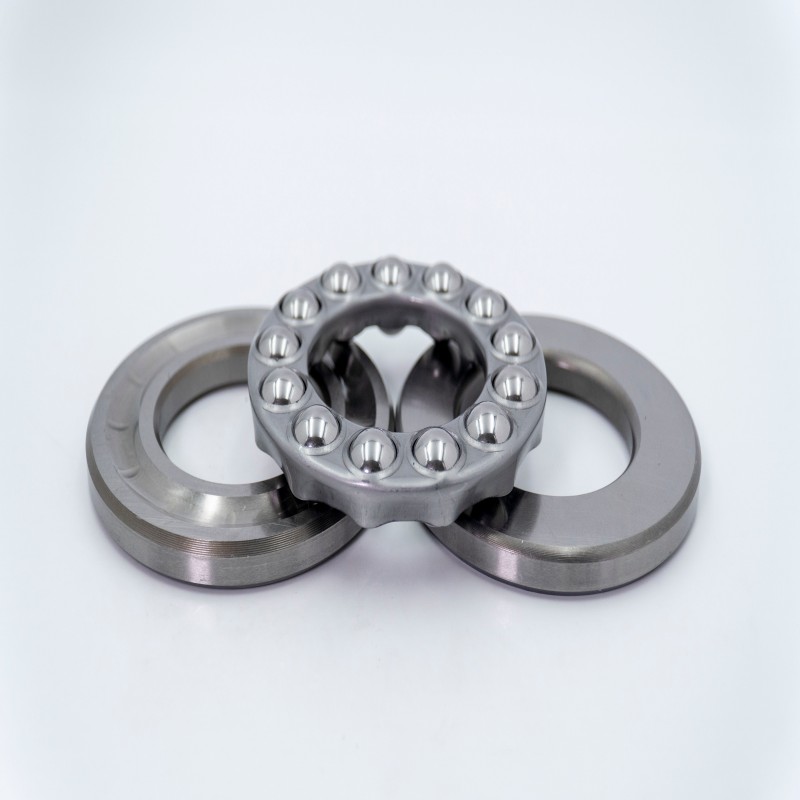
Ultimately, in the harsh mechanical world, absolutely everything strongly boils down to raw longevity. A totally failed bearing instantly stops an expensive machine dead in its tracks. In an expensive electric vehicle, drastically improving the total service life of the spinning components is the absolute primary goal of every single major engineer. The absolute most prominent, visible bearings market trends all strongly revolve around making these crucial parts last much longer under much harsher conditions. We are happily seeing a massive, industry-wide shift away from highly standard materials toward highly advanced bearing alloys that brilliantly resist wear and mechanical fatigue much, much better.
Another totally massive, undeniable trend is the rapid evolution of complex lubrication. As clearly mentioned earlier, incredibly high speeds instantly burn up standard, cheap grease. Massive chemical companies and top bearing suppliers are currently co-developing highly specialized, expensive synthetic greases designed specifically and perfectly for the modern electric motor. These advanced lubricants drastically reduce friction at a terrifying 20,000 RPM while simultaneously, brilliantly preventing any electrical damage. When perfectly combined with a highly high-quality, perfectly sealed ev-specific bearing, these amazing new greases can easily, effortlessly double the expected lifespan of the spinning part.
Finally, the rapid integration of smart predictive maintenance through the widespread use of the connected smart bearing is the ultimate, final trend. By brilliantly catching tiny, microscopic wear long before it unfortunately becomes a totally catastrophic failure, factory maintenance finally becomes highly proactive rather than terribly reactive. As we carefully look at the overall, bright market outlook, it is incredibly clear that the companies—like SKF, Schaeffler, and NSK—that completely master these amazing evs life-extending technologies will totally dominate the entire bearings industry. For smart buyers, heavily investing in these clear bearings market trends ultimately means far fewer breakdowns, much happier customers, and a much, much healthier bottom line.
Post time: Jul-09-2026