

Choosing the best grease rau koj cov machinery kev lag luam tsis yog ib txoj haujlwm tu tus qauv xwb. Nws yog qhov kev txiav txim siab tseem ceeb uas cuam tshuam ncaj qha rau koj txoj haujlwm thiab cov kab hauv qab. Thaum koj cov cuab yeej grinds mus rau ib qho chaw nres vim yog ib feem ntawm seized, koj poob nyiaj los ntawm feeb. Cov lus qhia dav dav no yuav pab koj nkag siab txog kev tshawb fawb txaus nyiam ntawm bearing lubrication. We will deeply explore how different types of roj protect your expensive moving parts from daily destruction.
When you successfully select the right kua npluas, you actively prevent catastrophic, costly breakdowns. Koj txuag koj pab neeg saib xyuas los ntawm kev ua hauj lwm dhau sij hawm ntawm kev kho hnub so. Read on to discover the closely guarded secrets of keeping your heavy equipment running flawlessly, even in the most brutally tough high temperature conditions. Whether you manage a massive steel mill or a busy packaging plant, if you rely on a Cov kabmob pob to keep your factory moving, this critical information is exclusively for you.
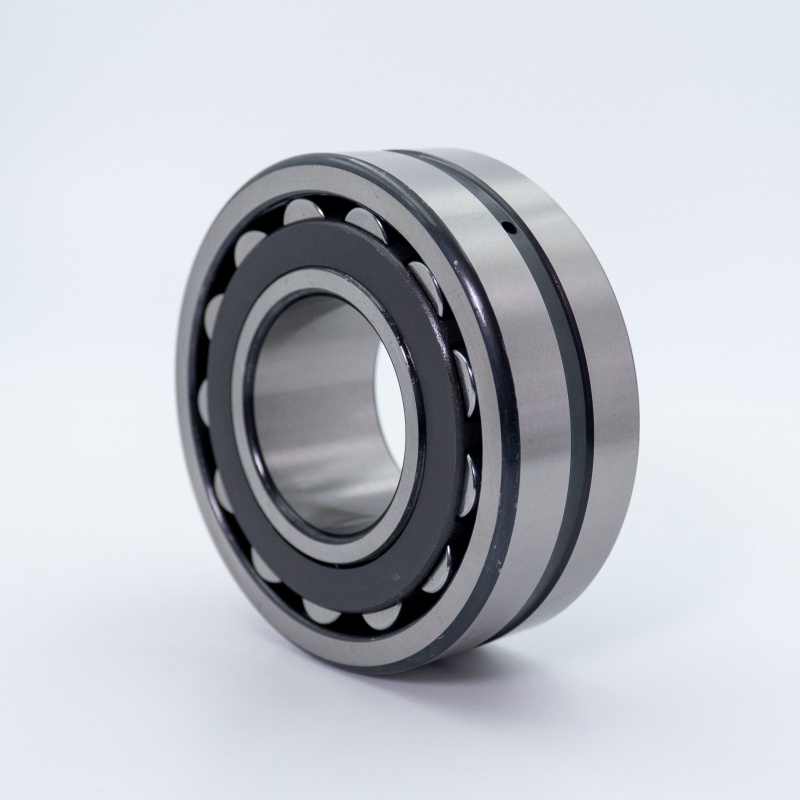
What Exactly is Bearing Lubrication and Why Does It Matter for Machinery?
Every single factory manager deeply fears sudden, unexpected machine stops. Unplanned sijhawm poob costs real, tangible money and completely ruins production schedules. That is exactly why Lub Tsim Kho Lubrication is so incredibly crucial for your success. A microscopic, thin lubricant film tas li cais cov hlau hnyav hauv qhov yam khoom uas pab. Qhov no yooj yim, tsis pom kev thaiv nruj nreem nres cov hlau dov ntsiab from violently grinding against the inner and outer rings.
Yog tias tsis muaj qhov cuam tshuam tseem ceeb ntawm cov dej no, koj tam sim ntawd tau mob hnyav nce kev sib txhuam. Qhov kev sib txhuam hnyav no ua rau muaj qhov txaus ntshai thermal zog. Cov heat generated quickly and permanently destroys the hardened steel. Good, consistent lubrication txwv tsis pub cov kab mob txaus ntshai no tuag hauv nws txoj kev. Nws ua raws li cov ntaub thaiv npog rau cov rhiab heev bearing materials. By actively reducing friction, tus kua npluas flawlessly ensures Kev nojquag all day long.
Tsis tas li ntawd, ib qho khoom tshiab ntawm lub roj ntsha nquag yaug tawm me me ntawm cov av abrasive uas ncaj qha ua rau premature wear and failure. In heavy lub tshuab, ib qho ua tsis tiav, cov khoom siv qhuav tuaj yeem nres tag nrho cov kab sib dhos. Regular, dedicated maintenance with the correct products absolutely guarantees reliable operation shift after shift. Txhawm rau kom tsis txhob muaj kev puas tsuaj loj heev, kim heev Cov kabmob tsis ua hauj lwm, you must truly understand how the lube functions under pressure. It is far more than just slippery, messy oil. It is a highly complex chemical mix engineered to survive.
How Do You Choose the Right Grease for a Specific Application?
Picking the right grease is a lot like picking the perfect pair of rugged work boots for a muddy construction site. You need to carefully evaluate the daim ntawv thov tshwj xeeb before you spend a dime. What are the exact load conditions? How incredibly fast does the metal shaft spin? What is the standard, everyday Kev khiav hauj lwm kub of the room? You must honestly answer these basic questions first. There are simply too many variables and factors to consider before making a blind purchase.
For instance, if your busy factory floor is freezing cold, a thick, heavy lube will freeze completely solid. If you run a massive, glowing steel mill, the intense ambient heat will melt a cheap product right out of the metal housing. You must carefully select a grease whose chemical properties perfectly match the brutal daily demands of your equipment. It is definitely not a fun guessing game. Cov right type ntawm grease ensures your expensive parts survive the longest, hardest workday.
Consider the primary base oil very carefully. The base oil actually does the heavy lifting and actual lubricating work. Cov viscosity of this vital oil must perfectly match the shaft's running speed. Extremely fast speeds strictly need thin, watery oil. Slow, agonizingly heavy loads strictly need thick, sticky oil. Matching these crucial elements correctly always delivers kev ua tau zoo across all your diverse bearing applications.
Vim li cas Lithium yog Lubricant Feem Ntau Rau Cov Pob Bearing Application?
If you ever walk into any busy industrial maintenance shop, you will undoubtedly see countless tubes of lithium based products lining the shelves. Lithium grease is incredibly, undeniably popular across almost every sector. It is definitively the absolute go-to lubricant for ball bearings worldwide. Why is it so loved? Because it is a fantastic, versatile all-rounder. It handles a moderate, everyday temperature range beautifully and consistently. It is also quite affordable for tight maintenance budgets.
This common type of lube is widely used in standard, everyday hluav taws xob motors, yooj yim conveyor siv, thiab yooj yim cua kiv cua. It sticks exceptionally well to the polished steel bearing nto. It provides a solid, dependable barrier against everyday, normal wear and tear. When you simply need a reliable Cov kabmob pob lubricant for totally normal, boring conditions, this is usually your absolute safest bet. Nws ua hauj lwm nyuaj yam tsis ua txhaum lub tuam txhab peev nyiaj.
However, it certainly has its absolute limits. It is rarely the best choice for extreme, freezing cold or blazing, oven-like heat. But for general, everyday duty, its dependable lubricating properties are truly excellent. It reliably keeps the dangerous kev sib los low and keeps the machines humming along nicely. For many standard kaw pob bearings, a lithium-based formula is what the manufacturer packs inside at the factory.
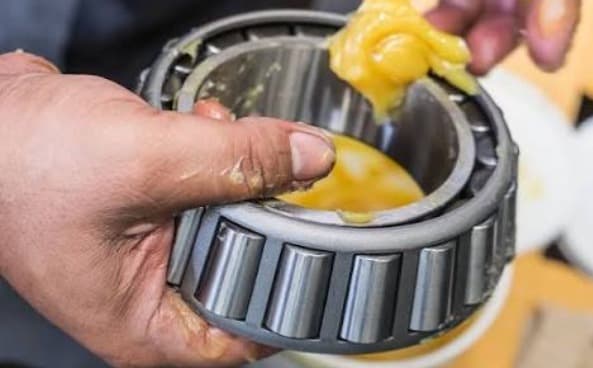
Thaum twg Koj Yuav Tsum Siv Lithium Complex lossis Calcium Sulfonate ua Thickener?
Grease is essentially just like a porous kitchen sponge holding soapy water. The "sponge" is actually the chemical thickener. The "water" is the lubricating oil. A lithium complex thickener yog ib qho loj heev, ua haujlwm siab dhau los ntawm tus qauv, yooj yim lithium. It easily handles much higher heat and lasts significantly longer under stress. Nws muaj ntau heev nyob rau hauv kev xav tau kev lag luam ntau qhov chaw cov khoom lag luam sai sai.
Tab sis yuav ua li cas yog tias koj lub Hoobkas ntub dej txhua hnub? Tej zaum koj yuav khiav ib daim ntawv sloppy los yog ib txoj kab uas muaj cov zaub mov uas muaj zog heev. That is exactly when you urgently need a calcium sulfonate thickener. Calcium raws li thickeners muab tiag tiag amazing, unparalleled water resistance. They literally repel heavy water like magic. This completely prevents washout, where the precious lube gets violently rinsed away by heavy, industrial sprayers.
Lwm qhov kev xaiv zoo tshaj plaws rau qhov tshwj xeeb high-speed, kub ib puag ncig yog polyurea. A polyurea thickener is very often used in premium kaw bearings vim nws kiag li tsis tawg yooj yim thaum lub sij hawm. It extends the overall lub neej of the component significantly. Xaiv qhov zoo tshaj plaws daim txhuam cev yog ib qho tseem ceeb raws li kev xaiv cov roj zoo tshaj plaws rau koj pillow block bearing units.
What Are the Key Factors to Consider When Selecting High Temperature Bearing Grease?
Kev kub siab kub yog ib tug kabmob tus yeeb ncuab phem tshaj plaws. In blistering high-temperature environments, txheem, pheej yig lubricaes tig mus rau nyias kua thiab tawm sai heev. Los yog tseem phem dua, lawv ci rau hauv ib qho nyuaj, crusty, tsis muaj roj carbon plhaub. That is specifically why selecting a dedicated high temperature product is absolutely vital. You desperately need a tough bearing grease designed specifically to survive the fire.
When dealing with brutal high-temperature conditions, you must look very closely at the product's oxidation resistance. Thaum tshav kub kub ua rau cov roj chemically oxidize thiab tawg sai heev. A premium high-temperature lube stubbornly resists no puas chemical puas. It stays soft, pliable, and slippery. This is especially, undeniably critical for high-temperature bearings actively used in commercial baking ovens or massive brick kilns. Heat causes rapid oxidation, so fighting it is priority number one.
You must also actively check the chemical dropping point. Qhov no yog qhov ntsuas kub uas cov roj tag nrho melts rau hauv cov kua dej tsis zoo. Your chosen lube's dropping point must be significantly higher than your machine's actual running temp. If you foolishly ignore this, you will definitely face severe bearing wear and a very quick, extremely expensive Cov kabmob tsis ua hauj lwm.
How Does Synthetic Oil Improve Extreme Pressure and High-Load Protection for Bearings?
Qee lub sij hawm, raw, brute lub cev muaj zog yog tib yam uas tseem ceeb. In heavy, violent rock crushing or deep underground mining, the physical loads are completely massive. Standard, cheap mineral oil simply cannot survive this daily abuse. The heavy, crushing weight literally squeezes the weak oil entirely out of the way. This directly causes catastrophic metal-to-metal contact. To permanently stop this, you absolutely need a tough hluavtaws roj base.
A modern, highly engineered hluavtaws base oil has perfectly uniform, strong molecules. They are incredibly tough and very hard to squeeze apart. This provides incredible protection for bearings under a brutal siab thauj. When you intelligently combine this tough oil with a specialized extreme pressure (EP) additive, you instantly get an invincible shield. Cov ep additives bond directly to the metal chemically. They boldly form a sacrificial, protective layer that takes the physical beating instead of the expensive steel.
For any demanding hnyav-load job, a premium synthetic grease is usually strictly required by the manufacturer. It certainly costs slightly more upfront, but it pays for itself ten times over. It dramatically increases the lub neej and total Kev Pabcuam Lub Neej ntawm cov khoom siv. It is even used exclusively in advanced aerospace applications where sudden mechanical failure is simply not an option. For components like high-capacity spherical roller bearings, synthetic formulas are a massive upgrade.
Can the Wrong Grease Lead to Rust and Corrosion in Automotive Wheel Bearings?
Yog lawm, kiag li. Using the completely wrong grease yog ib tug ceev heev, guaranteed khiav mus rau tag nrho cov kev puas tsuaj. Let's look closely at common tsheb uses. Your family car's heavy Log Bearings constantly face freezing rain, deep snow, and corrosive road salt every single day of the long winter. If you foolishly use a cheap, inferior lube, water easily gets inside the metal housing.
When dirty water mixes with cheap, unprotected oil, you instantly get dangerous rust and corrosion. Rust aggressively noj cov hlau polished heev. It creates deep pits and nasty rough spots. The wheel will rapidly start to roar and rumble loudly on the highway. Soon, it will seize up completely, leaving you stranded. Txhawm rau tiv thaiv qhov npau suav phem no tau yooj yim, koj yuav tsum tau ceev lub lubrication nrog zoo heev, pov thawj corrosion protection.
A good, premium automotive lube has a specific, powerful additive designed to neutralize the salty water. These clever chemicals actively fight off heavy kev kis kab mob from the dirty road. Corrosion is a totally silent, hidden killer of expensive machinery. Stopping it before it ever starts is the only smart way to fiercely protect your mechanical investment.
What Role Does NLGI Grade Play in Reducing Friction for Smooth Operations?
When you finally go to buy grease, you will prominently see a number like "NLGI 2" on the label. What does that actually mean? Cov nlgi grade directly measures exactly how thick or stiff the lube physically is. Nws zoo ib yam li kev sib piv cov mos mos, kis tau butter rau ib qho nyuaj ntawm cheddar cheese. Getting this precise thickness right is absolutely critical for effectively reducing friction.
If the chosen lube is way too thick (a very high NLGI number), the spinning bearing has to violently fight through it. It is exactly like trying to run fast in deep, sticky mud. Qhov no aggressively nkim hluav taws xob hluav taws xob thiab tam sim ntawd ua rau overheating loj. Yog tias nws nyias dhau lawm (tus lej NLGI tsawg heev), nws yuav cia li tawm ntawm lub tsev mus rau hauv pem teb. The metal component will quickly run completely dry.
Most normal, standard industrial applications successfully use a balanced NLGI 2 grade. It is the absolute perfect, happy middle ground. It is soft enough to flow easily but stiff enough to stay exactly in place. Always read the machine's manual carefully. The manufacturer will clearly specify the exact nlgi grade required for proper viscosity and flow.
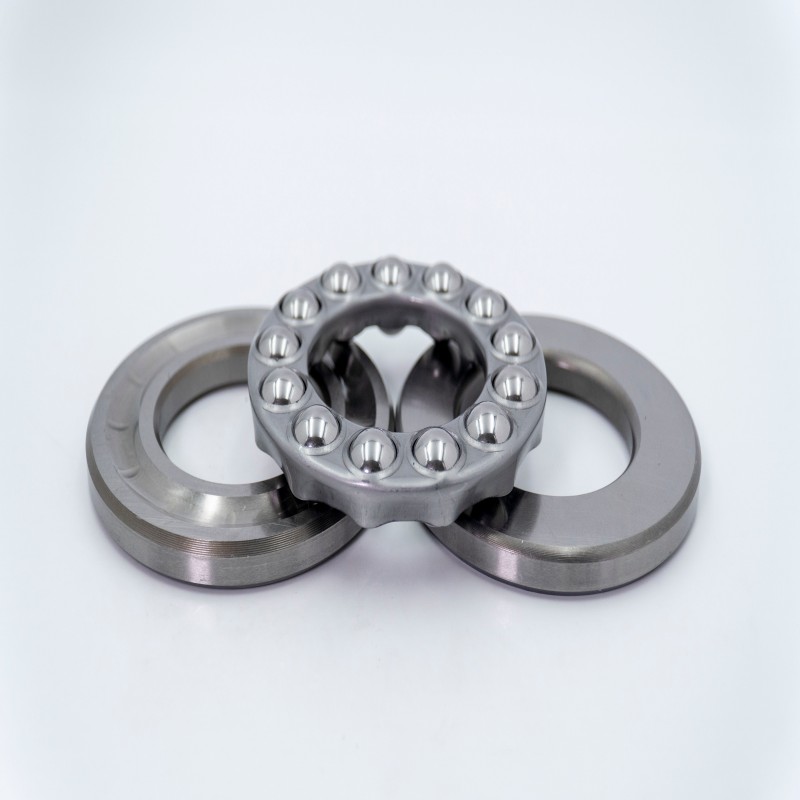
How Do You Safely Apply Lubricating Grease With a Grease Gun to Avoid Blown Seals?
Applying the fresh lubricating grease kom raug yog ib qho tseem ceeb raws li kev xaiv lub hom zoo tshaj plaws. Many rushed maintenance workers just grab a heavy grease gun and pump aggressively until it oozes out the sides. This is a totally terrible, amateur mistake. Over-greasing violently blows out the delicate, protective rubber seals. Once that seal is permanently broken, abrasive dirt gets in and the good lube washes out quickly.
Thaum koj maj mam rau npluas a metal fitting, do it with care. Pump the manual grease gun very gently. Listen closely and feel for rising pressure. Koj tsuas yog xav ntxiv kom txaus los ntxiv cov khoom siv sab hauv. Also, make absolutely sure the new lube is totally compatible with the remaining qub roj. If you blindly mix two incompatible thickeners, they can react very badly. They might turn into a hard plastic or a runny, useless liquid.
Always vigorously wipe the grease fitting perfectly clean with a rag before attaching the heavy gun. Thawb cov qub, gritty av ncaj nraim mus rau hauv vaj tse yog 100% guaranteed txoj kev ua kom puas tus nqi kim. Kev huv, ceev faj, txoj hauv kev ua kom cov ntsaws ruaj ruaj zoo kawg nkaus. This reliably keeps the good stuff inside your precision needle roller bearings and keeps the bad stuff out.
How Does Proper Relubrication Prevent Machine Failure and Improve Bearing Life?
Nothing mechanical lasts forever. Over time and constant use, the oil slowly bleeds out of the chemical thickener. Txhua yam tshuaj tiv thaiv tau siv thiab ploj mus. Lub lubricants maj mam qhuav, crusty, thiab tag nrho tsis siv. That is exactly why scheduled relubrication yog qhov yuav tsum tau ua. Adding fresh, clean lube on a strict, written schedule actively pushes out the old, highly degraded material.
When you consistently use the yog roj Thaum lub sij hawm, koj drastic txhim kho tag nrho coj lub neej. It actively prevents unexpected ua tsis tiav thaum ntxov los ntawm kev ua kom muaj zog tshiab, huv si tiv thaiv zaj duab xis yog ib txwm muaj. Don't lazily wait for the heavy machine to make a loud noise. If you clearly hear a nasty grinding sound, the severe damage is already done. You must act proactively before the heat rises.
Tsim thiab tswj kom nruj, tsis muaj kev tu ncua sij hawm. Every single time you siv cov kabmob, it consumes a tiny bit of its protective, chemical shield. Regular, careful top-ups constantly replace that vital shield. It is easily the absolute cheapest, best insurance policy your entire factory can buy. A well-lubricated machine is a very happy, highly profitable machine.
Summary of the Most Important Things to Remember
- Thaum tshav kub kub Destroys: Always select specialized high-temp lubes for extreme environments to prevent rapid oxidation and melting.
- Match lub Load: Use synthetic bases for massive, crushing weight to maintain a strong protective film.
- Thickeners Matter: Choose calcium sulfonate for wet environments to stop water washouts, and lithium for general purpose.
- Check NLGI Qib: Don't use a grease that is too thick or too thin; it ruins energy efficiency and creates heat.
- Pump maj mam: Never over-pack a housing. You will destroy the rubber seals and invite contamination.
- Tsis txhob sib tov tshuaj: Always verify that your new lube will not react badly with the old product left inside the housing.
- Ua raws li Lub Sijhawm: Proactive relubrication is the absolute best way to maximize equipment lifespan and ROI.
Post time: Jul-01-2026